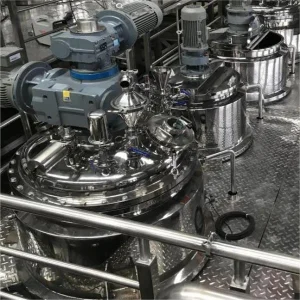
Explore our premium machinery range engineered to meet demanding output and sanitation criteria across global processing facilities.
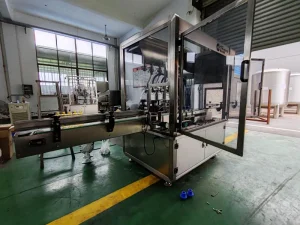
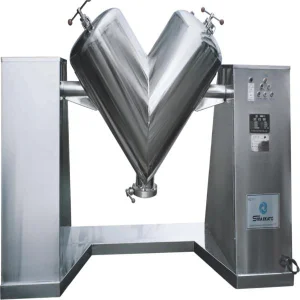
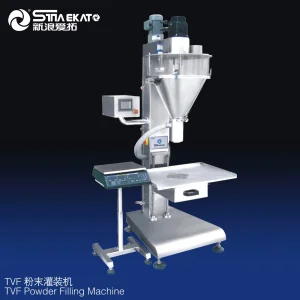
A comprehensive whitepaper examining the distinct rheological and hygiene challenges in high-speed bottling lines.
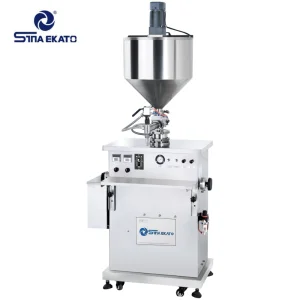
In modern industrial packaging, selecting a high-performance water-milk filling machine involves understanding complex physical and microbiological properties. Water and milk represent two ends of the liquid filling spectrum. Water is a low-viscosity, non-foaming, chemically stable Newtonian fluid with minimal sanitary requirements beyond standard filtration and sterilization. Milk, by contrast, is a delicate, fat-emulsified non-Newtonian fluid susceptible to shear stress, foaming, and rapid microbiological spoilage.
When engineering dual-purpose or specialized systems, manufacturers must account for laminar flow nozzle design to prevent the entrapment of air bubbles. For milk processing, foam reduction is critical. Excessive foaming during filling disrupts fill-level accuracy, compromises container seals, and increases product waste. To solve this, SINAEKATO implements advanced sub-surface filling nozzles and custom servo-actuated filling profiles that dynamically adapt to viscosity shifts, ensuring drip-free operation and strict volumetric control.
Furthermore, standardizing mechanical construction on SUS316L stainless steel prevents corrosion from lactic acid and dynamic cleaning chemicals. Standard sanitary systems must operate in accordance with global hygienic design guidelines, ensuring zero dead spaces where microbial bacteria could proliferate. This meticulous attention to engineering detail ensures long-term operational efficiency and complies with stringent international food safety regulations.
Integrating innovative mechanical and software systems to maximize Overall Equipment Effectiveness (OEE).
Integrated automated CIP and SIP (Sterilization-in-Place) systems ensure thorough sanitation cycles without requiring machinery disassembly, minimizing downtime and maintaining product purity.
Utilizing high-end electromagnetic flowmeters and servo-driven piston filling pumps to achieve accuracy margins of ±0.2% across varying product densities and operating speeds.
Equipped with Ethernet-enabled PLC control modules, real-time diagnostic HMI screens, and predictive maintenance capabilities to integrate seamlessly into existing ERP factory environments.
A strategic overview of global regulatory frameworks, logistics management, and procurement criteria.
Procuring automated liquid filling machinery requires thorough planning and validation. Multi-national corporations evaluate machinery suppliers not only on initial cost, but also on total cost of ownership (TCO), engineering compliance, and aftermarket support. Key regulatory certifications such as CE (European Conformity), FDA (Food and Drug Administration) food-contact compliance, and GMP standards are essential parameters for modern production facilities.
At SINAEKATO, we address these global concerns by engineering machines that incorporate components from premier worldwide suppliers, ensuring compliance and reliability. The integration of high-grade components guarantees that replacement parts are readily accessible worldwide, reducing long-term supply chain risks and system integration issues.
In addition, our global logistics network coordinates transport, customs clearing, and local deployment protocols. Whether delivering to high-capacity dairy packaging plants in Europe, cosmetic factories in the Asia-Pacific region, or manufacturing facilities in the Americas, SINAEKATO provides comprehensive technical documentation, FAT (Factory Acceptance Testing) logs, and SAT (Site Acceptance Testing) protocols to facilitate seamless site integration.
Providing high-performance machinery and services to global processing industries since 1992.
SINAEKATO, one of China’s leading machinery brands, was established in 1992. With over 30 years of industry experience, we offer comprehensive machinery solutions. Our portfolio includes Vacuum Emulsifying Mixers, Liquid-washing Homogenizer Mixers, Perfume Chiller Production Lines, Toothpaste Production Mixers, Fully-automatic and Semi-automatic Filling Machines, Storage Tanks, RO Water Treatment Series, Labeling Machines, and Packaging Machines for the Skincare, Cosmetic, Pharmaceutical, and Food industries.
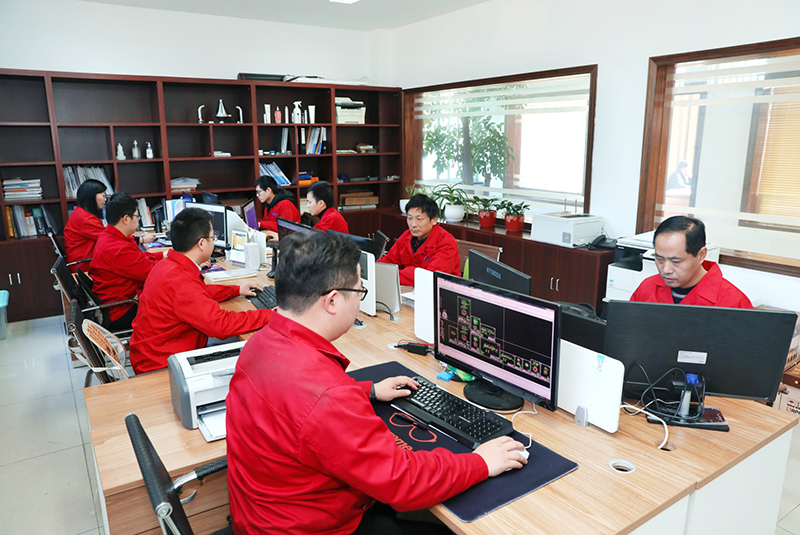
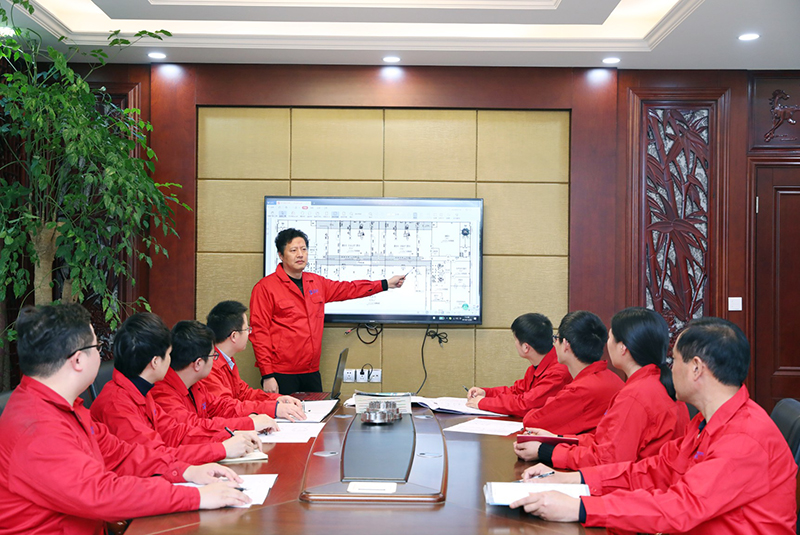
SINAEKATO operates in nearly 55 countries, employing approximately 150 people at our manufacturing facility in China and 10 technical specialists in our international offices. Our engineering expertise in mixing systems, emulsification/homogenizer systems, and filling line technology is recognized internationally for reliability and performance.
Commitment to advanced technology, premium components, and reliable after-sales support.
We believe that technological innovation is a core driver of competitiveness. By continuously investing in research and development, utilizing modern production equipment, and maintaining strict quality management, we work to ensure the reliability and performance of every product.
We are dedicated to providing high-performance machinery that showcases Chinese manufacturing capabilities globally. We also remain committed to the communities in which we operate, encouraging active involvement, skill-sharing, and community support.
Importantly, 80% of our primary machinery components are sourced from globally recognized suppliers. Through long-term collaboration with these partners, we have developed valuable engineering experience, allowing us to offer high-quality machinery and reliable service guarantees.
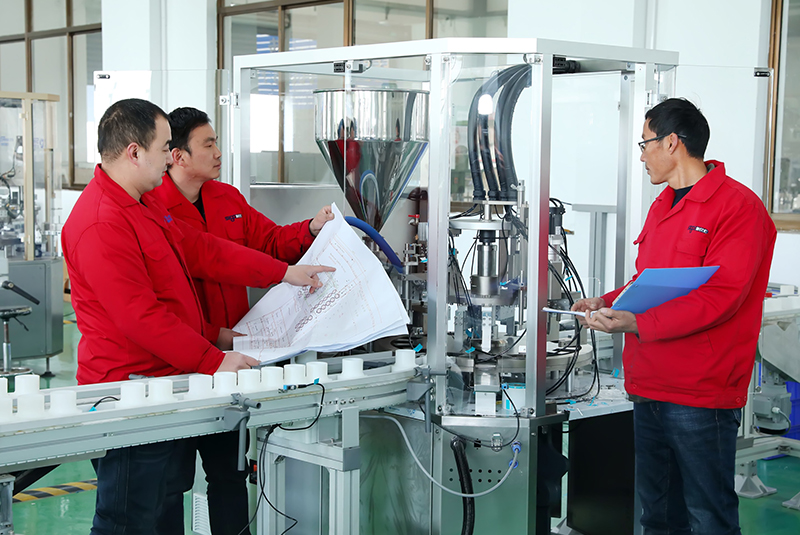
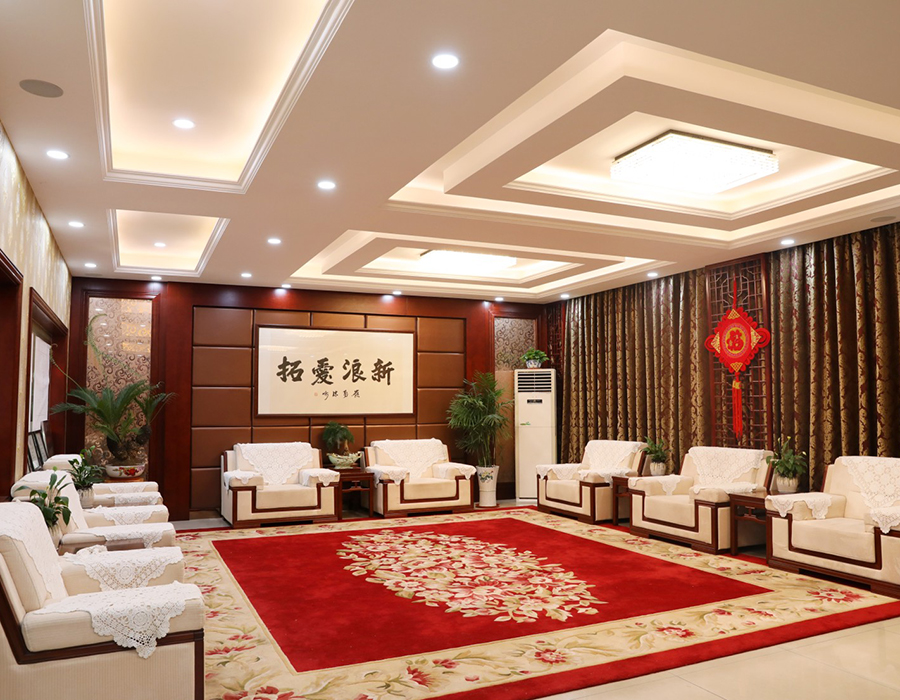
Decades of continuous growth, technological adaptation, and global partnerships.
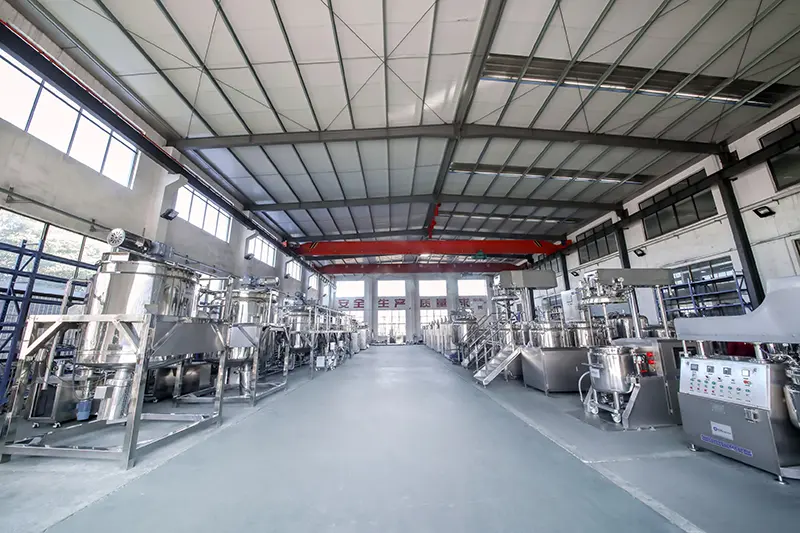
Engaged in the chemical machinery industry.
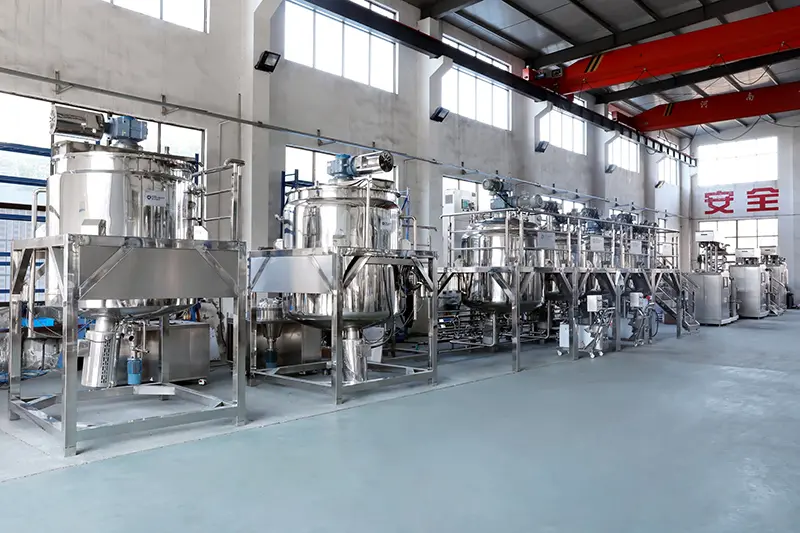
Guangzhou Sina Cosmetics Engineering Equipment Co., Ltd. was established.
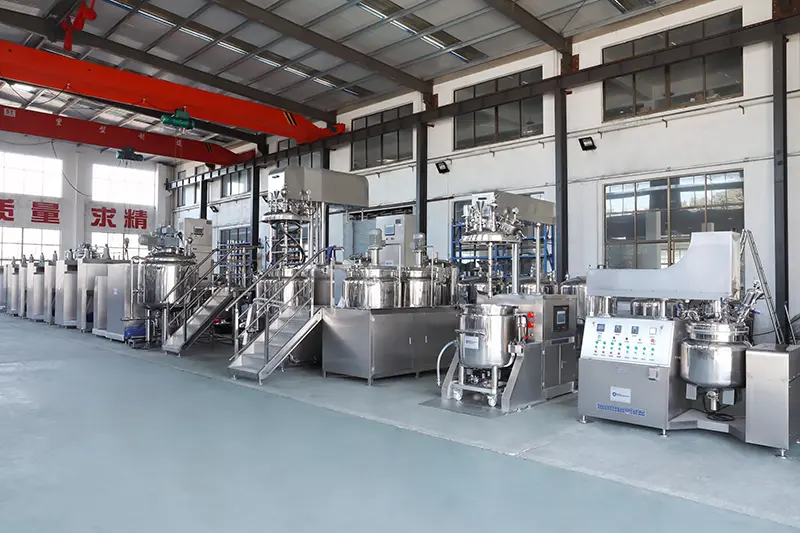
Established Hong Kong Hantao International Investment Co., Ltd.
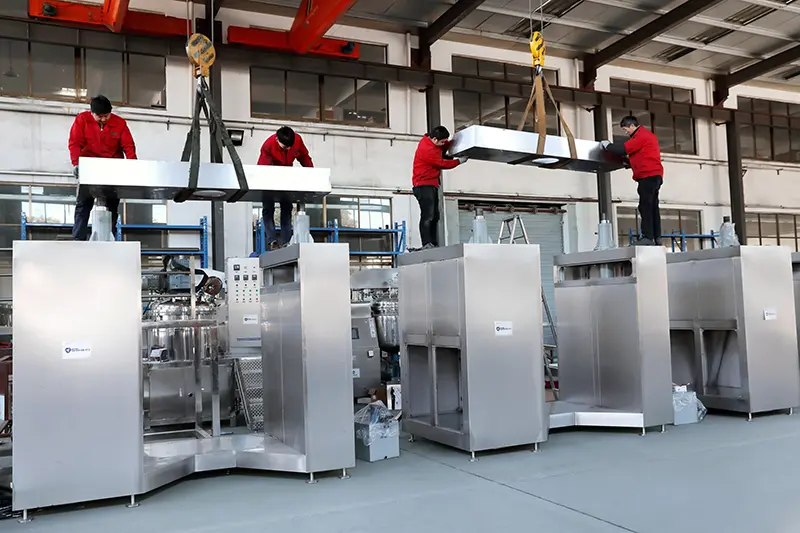
Gaoyou Sina Chemical Machinery Equipment Factory was established (Guangzhou Sina renamed to Guangzhou Sina Chemical Machinery Co., Ltd.).
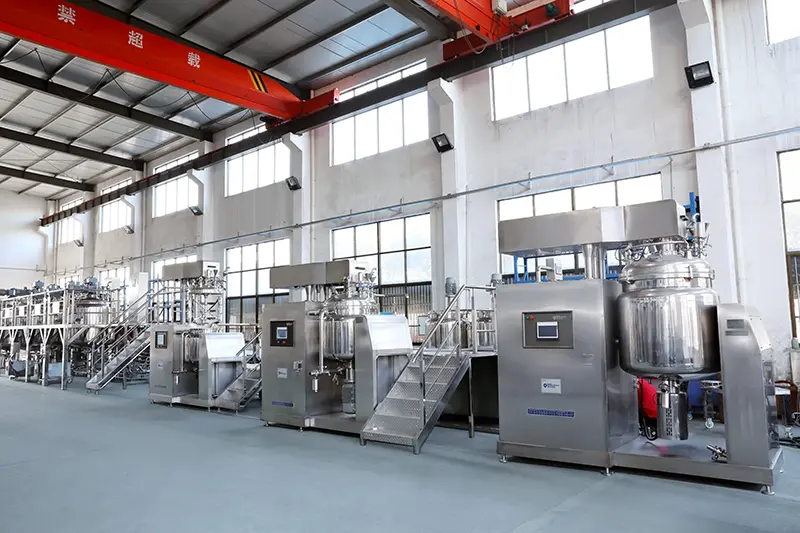
Established Gaoyou Sina Light Industry Machinery Equipment Factory.
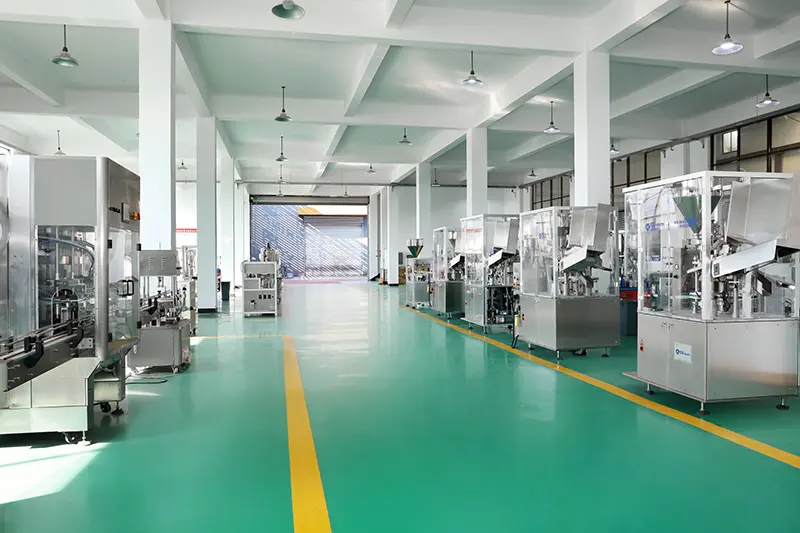
Purchased 10,000 square meters of land in Gaoyou, and the new processing plant was put into operation under the name: SINA EKATO CHEMICAL MACHINERY CO., LTD (GAOYOU CITY).
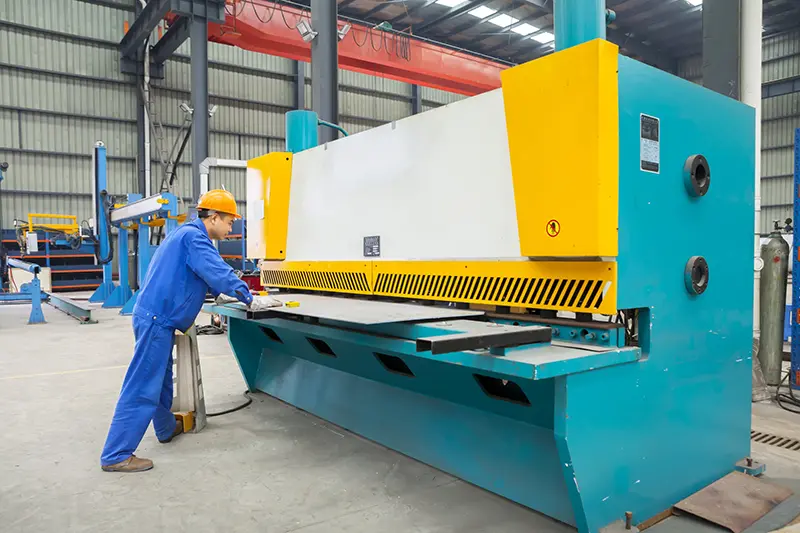
Established Yangzhou Hantao Chemical Machinery Co., Ltd.
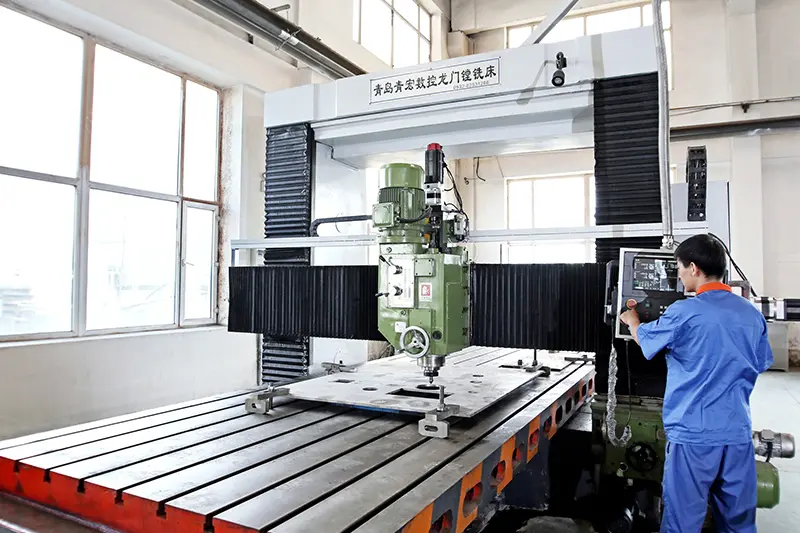
Acquisition of Guangzhou Jingcheng Machinery; Set up a large exhibition center and started establishing export sales routes.
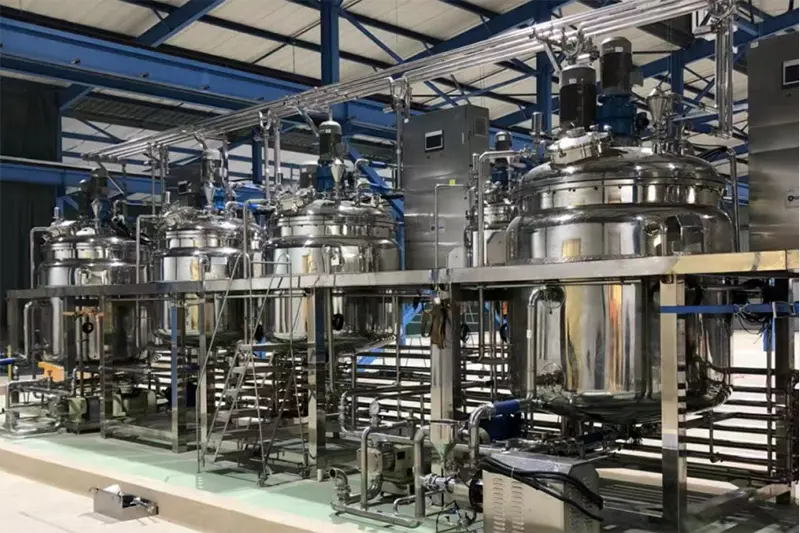
Original Guangzhou Sina Chemical Machinery Co., Ltd. renamed to Guangzhou SINAEKATO Chemical Machinery Co., Ltd.
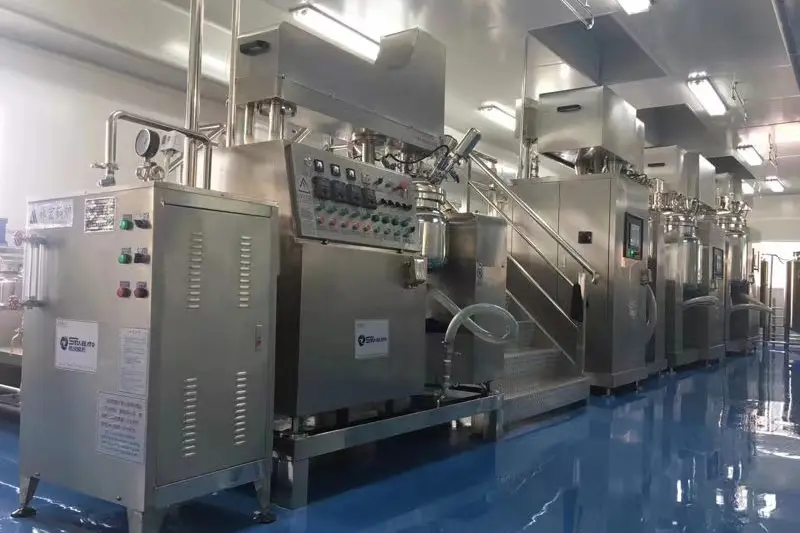
Acquisition of Guangzhou Suogao Machinery Equipment Co., Ltd.
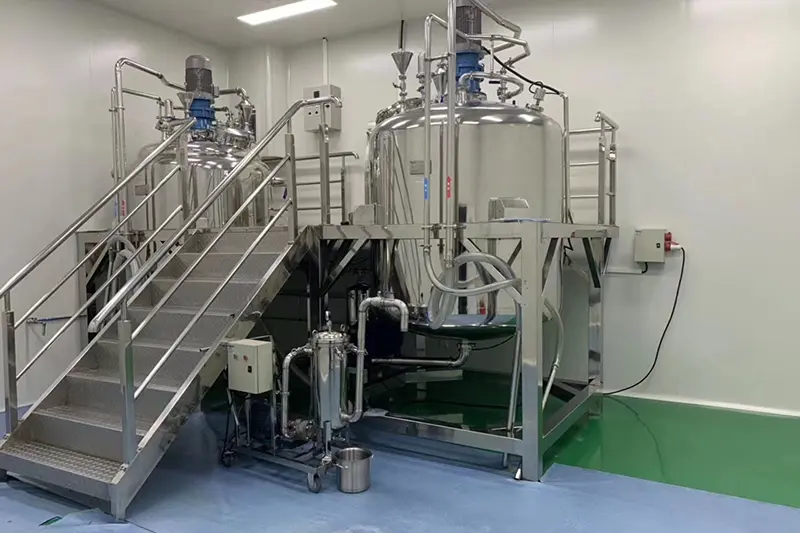
SINA EKATO CHEMICAL MACHINERY CO., LTD (GAOYOU CITY) designated as Production, Sale & After-sale Service Headquarter.
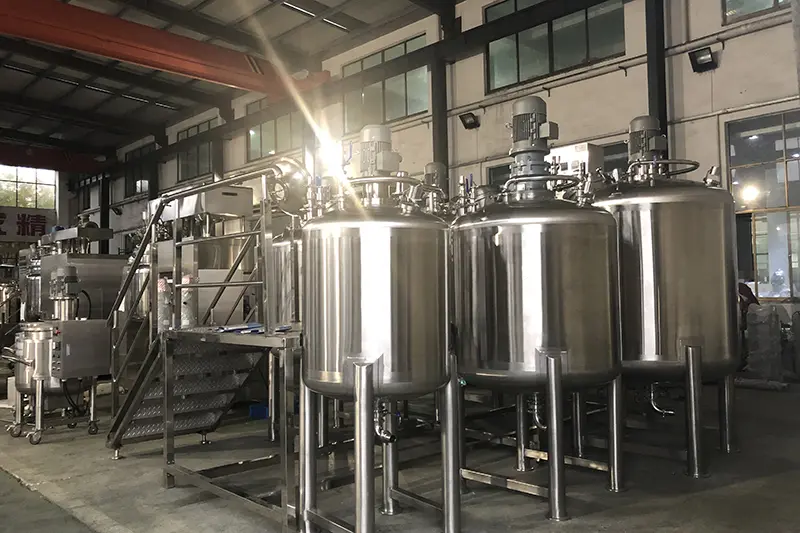
Established SINA EKATO Equipment (Jiangsu) Co., Ltd. for foreign cooperation.
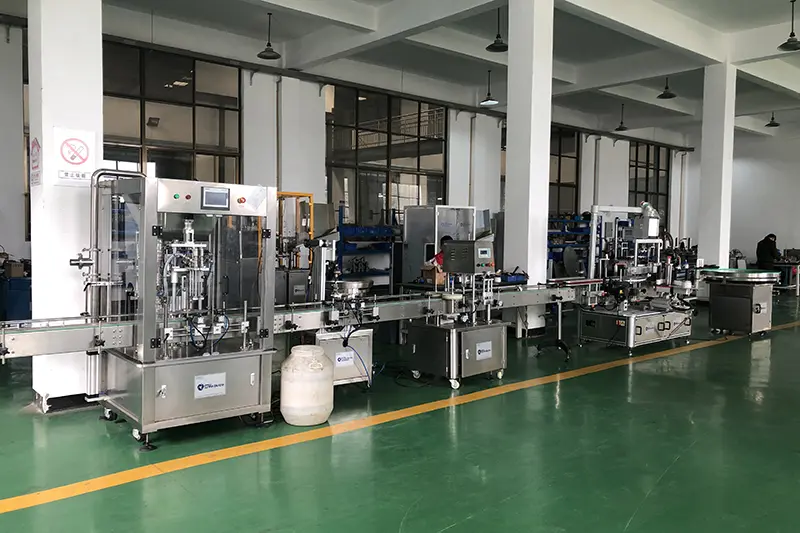
SINAEKATO cooperated with Europe-FLEMAC to establish Germany SINAEKATO Group Co., Ltd.
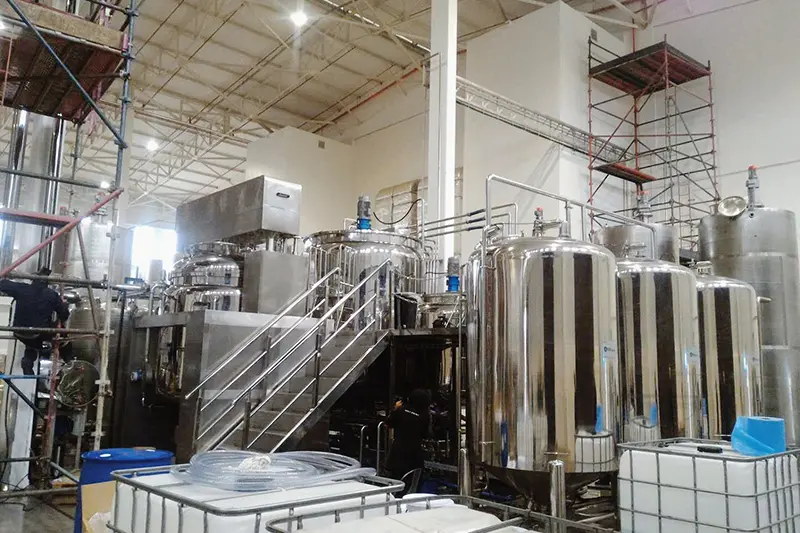
Cooperated with South Africa Unilever on a cosmetic project order (approx. $800,000 USD); Cooperated with Japan SK-II Shiseido OEM Cosmetics (approx. $1,500,000 USD).
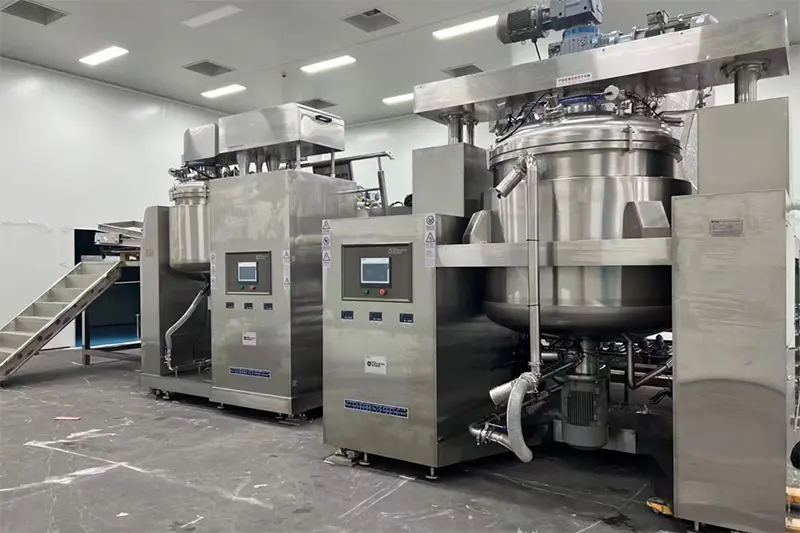
Cooperated with Japan Detergent Liquid-washing Products on a machinery order (approx. $1,000,000 USD).
A strategic overview of technological developments driving efficiency and sustainability in the packaging sector.
Modern packaging lines must continuously adapt to shifting retail trends, demanding greater agility from machinery manufacturers. SINAEKATO’s development path focuses on three key areas: digital connectivity, mechanical precision, and resource efficiency. We aim to design systems that reduce transition time between different product runs, allowing operators to switch from low-viscosity liquids to denser formulations with minimal adjustments.
By implementing servo-driven adjustments across our filling lines, operators can adjust fill volumes directly from the HMI console, avoiding manual re-calibration. Additionally, we are working to integrate real-time flow monitoring to dynamically adjust to temperature-induced viscosity shifts, stabilizing fill performance during extended production runs.
Sustainability also guides our engineering decisions. Reducing electrical and clean water usage during sanitization cycles helps lower operational costs. By refining CIP wash paths and improving fluid dynamics, our systems minimize waste, supporting both environmental and efficiency objectives for global manufacturers.
Expert insights on selecting, installing, and maintaining industrial-grade liquid filling systems.
Configuring a machine for both liquids requires variable velocity profiles and specialized sanitary components. Milk requires a lower flow rate or bottom-up nozzle movement to prevent foaming, whereas water can be filled rapidly. Additionally, milk lines must be equipped with sanitary tri-clamp fittings and connect to a Clean-in-Place (CIP) system to ensure thorough hygiene, which is not as critically required for standard water bottling.
Stainless Steel 304 is suitable for non-corrosive liquids, but SS316L contains molybdenum, which significantly improves resistance to organic acids (like lactic acid in milk) and chlorine-based cleaning sanitizers. This prevents pitting, corrosion, and bacterial accumulation on the metal surface.
With regular cleaning and maintenance, our heavy-duty lines are designed for a service life exceeding 15 years. Seals and non-metallic contact components should be inspected quarterly. Because 80% of our primary components are sourced from globally recognized suppliers, replacement parts are easy to source, minimizing downtime.
Yes, all our automated filling systems support standard communication protocols like Modbus and Profinet. This allows our equipment to integrate smoothly with third-party capping, labeling, cartooning, and palletizing systems.
Select specialized equipment from our range to optimize your factory's production and sanitary workflows.
 Sina Ekato