Explore our core engineered configurations utilizing high-accuracy custom servo motor driving and electronic control systems.
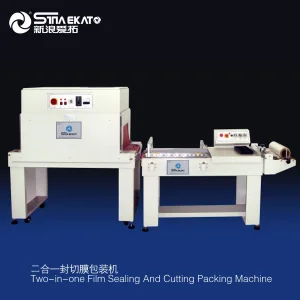
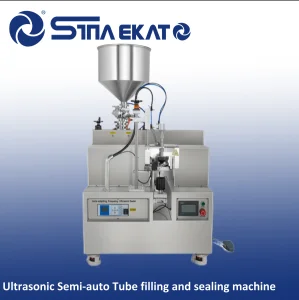
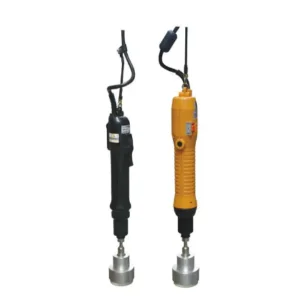
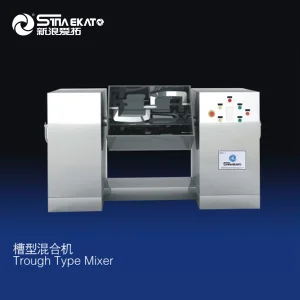
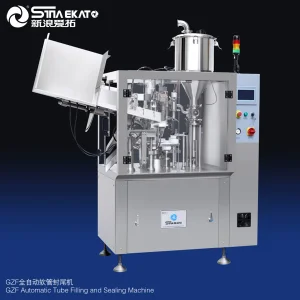
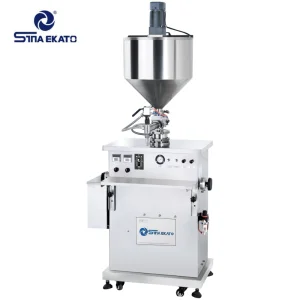
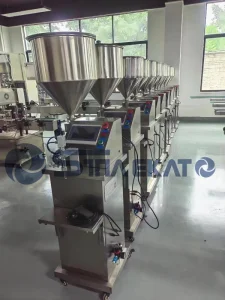
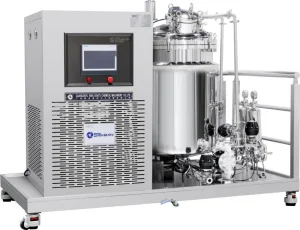
In modern industrial automation, the term custom servo motor driving refers to a unified, closed-loop mechanism integrating digital drives, precision servo motors, high-resolution feedback encoders, and sophisticated motion control algorithms. In high-viscosity mixing and filling systems—like the ones developed by SINAEKATO—traditional pneumatic or induction motor mechanisms are increasingly replaced by servo-driven machinery. The primary advantage lies in the direct control of displacement, velocity, and torque, permitting rapid adaptation to physical variance in processing media.
Unlike off-the-shelf servo packages, a custom servo motor driving system is specifically parameterized for variables such as fluid dynamics, load inertia ratios, and thermal load distributions. Closed-loop control relies on real-time feedback loops via absolute encoders, offering up to 24-bit resolution. This ensures the motion controller can correct positional errors in microseconds, maintaining a highly consistent torque output even when mixing cosmetic formulas with complex non-Newtonian rheological profiles.
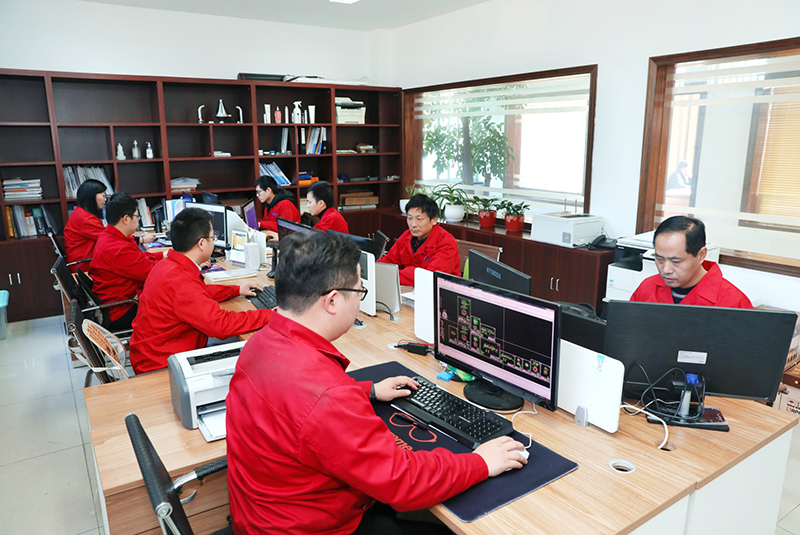
At the center of SINAEKATO’s equipment design is the marriage of precision mechanical design and custom servo motor driving dynamics. When operating a cosmetic vacuum homogenizing emulsifier or a high-speed toothpaste tube filling line, standard drive systems fall short. Variation in paste density, ambient temperature, and pipe pressure introduces dynamic disturbances. A custom servo drive addresses this through adaptive parameter tuning and field-oriented control (FOC).
For volumetric filling, servo-driven pistons allow operators to configure velocity curves through an HMI. The filling cycle begins with a rapid downward stroke, shifts to a controlled speed to prevent bubbling, and finishes with a sharp deceleration combined with a tail-cut rotation. This multi-phase stroke profiling reduces product loss and ensures accuracy within ±0.1%. When synchronized with electronic camming (e-cam) systems, multiple filling nozzles operate in complete phase-lock, boosting output to 60+ pieces per minute without mechanical linkages.
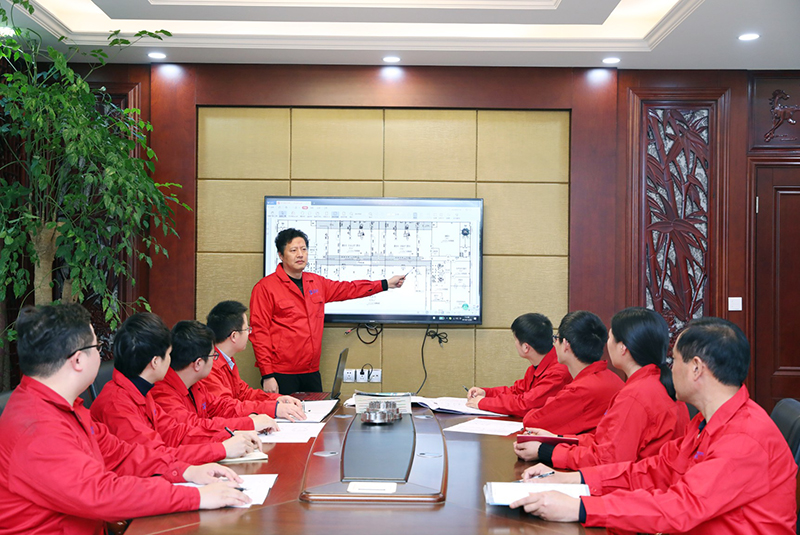
Analyzing key industrial, technological, and economic drivers shaping global automation procurement.
China's industrial manufacturing benefits from deeply integrated supply chains. Components like precision planetary gearboxes, high-resolution absolute encoders, and CNC-machined alloy parts are sourced from local technology hubs, reducing lead times and engineering costs.
In accordance with quality standards, SINAEKATO builds systems with 80% of their critical mechanical and electrical parts sourced from trusted global brands like Siemens, Schneider, and Mitsubishi, ensuring long-term part availability and reliable system operation.
Current industrial trends demand that servo drive systems support fieldbus communication protocols like EtherCAT, Profinet, and Modbus TCP. This enables cloud diagnostic integration, allowing remote engineering teams to monitor drive parameters and detect anomalies early.
Standard motors struggle with high-load inertia and corrosive environments. Custom-designed servo motors feature reinforced frames, chemical-resistant paint, and specialized IP ratings to handle the wash-down processes common in food and pharmaceutical plants.
An established timeline of SINAEKATO’s growth, innovations, and international project deliveries.
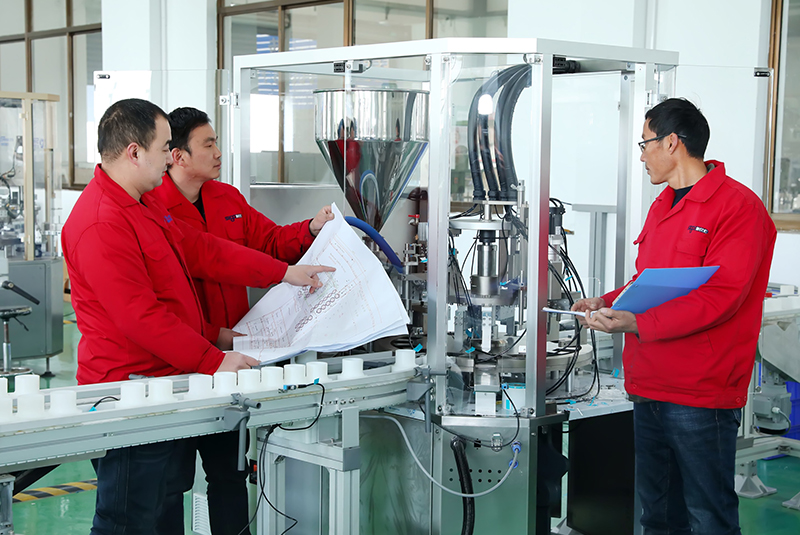
In modern industrial facilities, custom servo motor drives are rarely run as isolated units. Instead, they are integrated into larger multi-axis systems managed by a central PLC. For example, in a multi-stage cosmetic tube filling and sealing machine, one servo motor manages container positioning while a second controls nozzle depth, and a third synchronizes the folding or ultrasonic sealing process. This synchronization is critical to maintaining high throughput and consistent product quality.
Maintaining exact synchronization across multiple axes requires robust communication and fast update cycles. Fieldbus protocols like EtherCAT offer cycle times below 1 millisecond, allowing the PLC to update position and speed profiles instantly. This helps prevent mechanical collisions, reduces wear on physical gears, and simplifies changeovers between different container sizes via software-based recipe updates rather than manual tool adjustments.
Furthermore, systems built for pharmaceutical and food processing must comply with strict GMP and FDA washdown guidelines. To meet these requirements, custom servo motors feature smooth, crevice-free stainless steel enclosures (IP69K rated) that prevent bacterial growth. The integrated drives also feature Safe Torque Off (STO) functions, ensuring rapid shutdown during emergencies without causing system-wide mechanical stress.
Technical evaluation criteria for engineering directors sourcing custom servo-driven machinery.
When evaluating custom servo machinery suppliers, engineering departments should review key performance parameters to ensure compatibility with existing factory infrastructure and long-term production requirements:
Complete your processing lines with our robust water treatment plants, vacuum emulsifying mixers, and supporting rotary bottle feed lines.
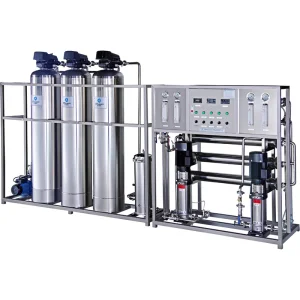
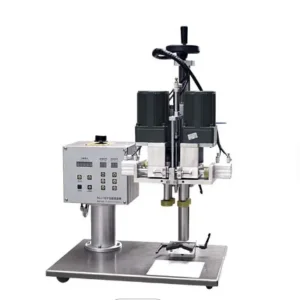
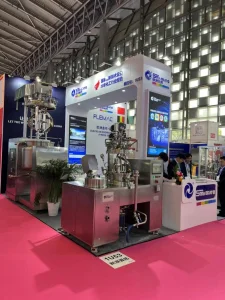
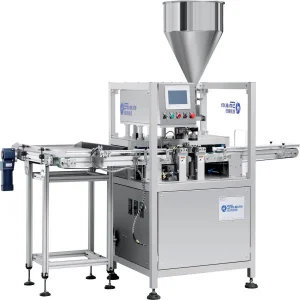
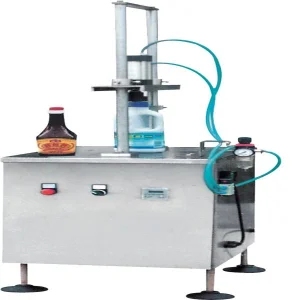
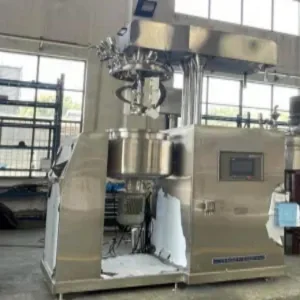
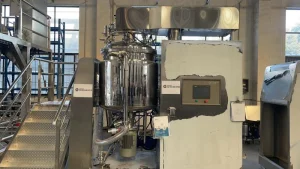
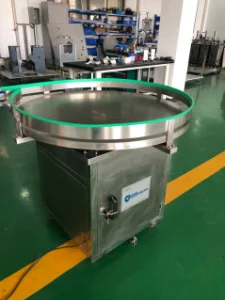
SINAEKATO’s efforts and performances are recognized by customers worldwide. Stable, Reliable, Precise, Intelligent represents our baseline requirement for every machine we manufacture. Choosing SINAEKATO means partnering with a dedicated technical support team and an established after-sales service network that keeps your lines running. We work step-by-step with you to build toward the future of automated manufacturing.
Our global engineering teams work directly with you to customize motor configurations, adjust software profiles, and manage system integration. Whether you are upgrading an existing line or building a brand-new facility, we focus on delivering reliable, long-term performance.
Answers to common technical queries about custom servo-driven processing machinery and global supply chain logistics.
 Sina Ekato