Explore our top-tier CE-certified equipment built specifically for high-stability emulsions, precise filling, and clean-room environments.
A deep-dive technical overview detailing the mechanics, design guidelines, and materials involved in manufacturing high-efficiency cosmetic emulsification systems.
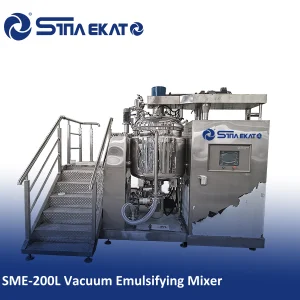
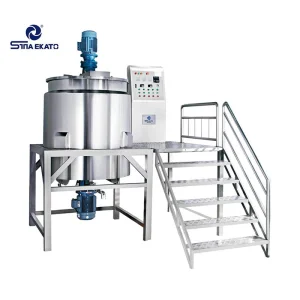
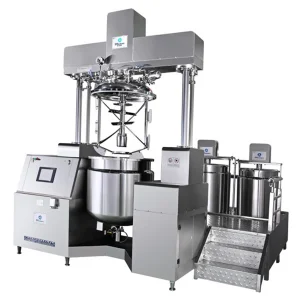
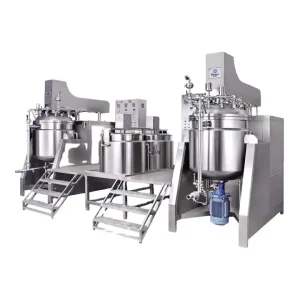
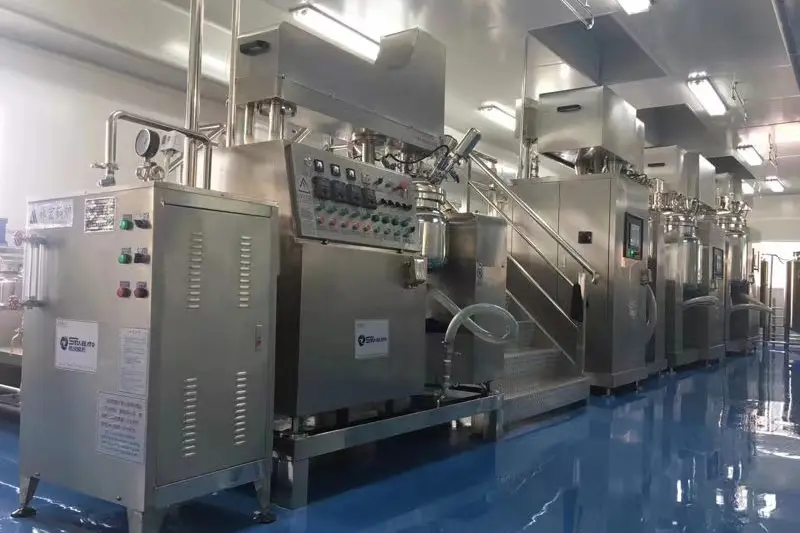
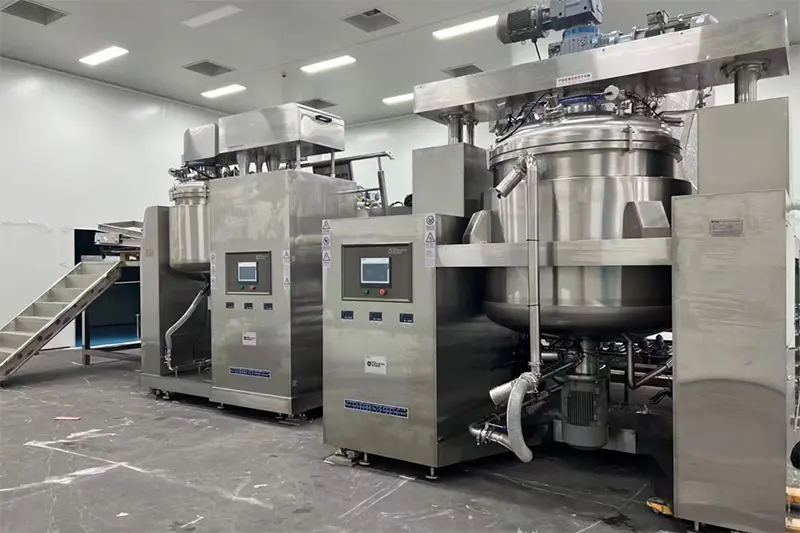
The manufacturing of skin care cosmetic creams, lotions, and pharmaceutical ointments requires structured droplet size reduction to establish a stable formulation. A Vacuum Homogenizer Mixer functions by passing raw oil and water-phase fluids through a high-tolerance stator-rotor assembly. The high-speed rotation of the rotor generates severe kinetic shear, hydraulic friction, and intense impact forces. This breaks up globules into sub-micron droplets (typically between 0.5 to 2 microns), creating an extremely stable emulsion that prevents phase separation over prolonged shelf-lives.
By working under vacuum conditions, the system effectively removes micro-air bubbles from the cosmetic mix during the emulsification process. Air pockets in skin creams cause rapid product degradation, oxidation of active ingredients, and premature bacterial contamination. Introducing a sealed vacuum chamber maintains an anaerobic atmosphere, boosting product quality, increasing viscosity uniformity, and ensuring a glossy finish for the final product.
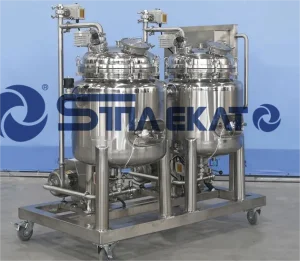
To align with stringent E-E-A-T guidelines in machinery, SINAEKATO prioritizes metallurgical precision. Our vacuum emulsifying mixers use AISI 316L Stainless Steel for all product-contacting components, which delivers outstanding resistance to pitting and localized chemical corrosion. The jacketed vessel is constructed with AISI 304 to assure mechanical strength, heat transfer, and structural integrity during heating and cooling cycles.
The inner vessel surface is mirror-polished to Ra < 0.4μm to prevent batch residues from sticking, drastically simplifying clean-in-place (CIP) tasks. Variable-speed scrapers use food-grade PTFE (Teflon) materials designed to dynamically conform to the vessel walls, scraping off the cream layer to facilitate excellent thermal conduction without generating localized burning or structural degradation.
A global leader in the development and optimization of professional cosmetic, pharmaceutical, and food processing machinery since 1992.
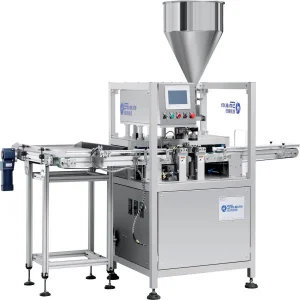
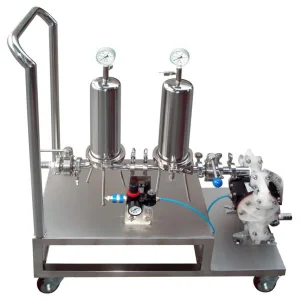
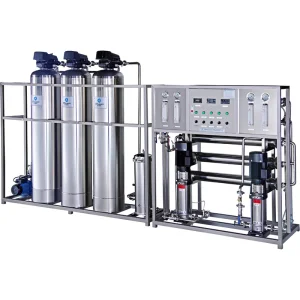
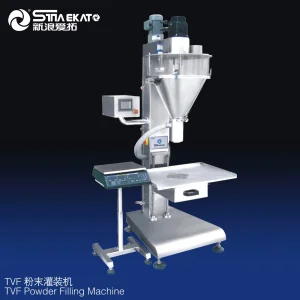
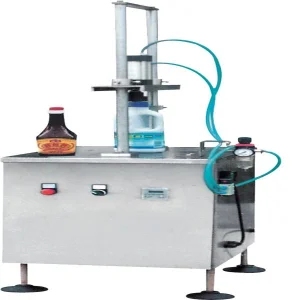
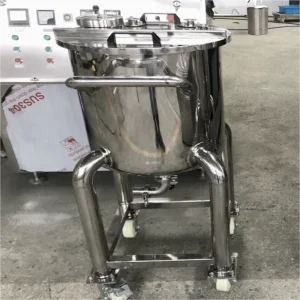
Established in 1992, SINAEKATO has risen as one of China's most trusted engineering brands. We have built more than 30 years of specialized experience, delivering end-to-end processing solutions worldwide. Our capabilities encompass Vacuum Emulsifying Mixers, Liquid-washing Homogenizers, Perfume Chiller Production Lines, Toothpaste Mixers, Automatic and Semi-automatic Filling Machines, Storage Vessels, RO Water Purifiers, and complete secondary packaging lines.
With active installations spanning 55 countries, we coordinate our operations through a dynamic workforce of 150 dedicated personnel at our main Chinese manufacturing facility, complemented by a skilled international service division.
Through long-term technology alliances with European leaders like FLEMAC in Germany, we blend Western process design with China's rapid manufacturing and supply chain strengths, delivering cost-competitive solutions without sacrificing precision.
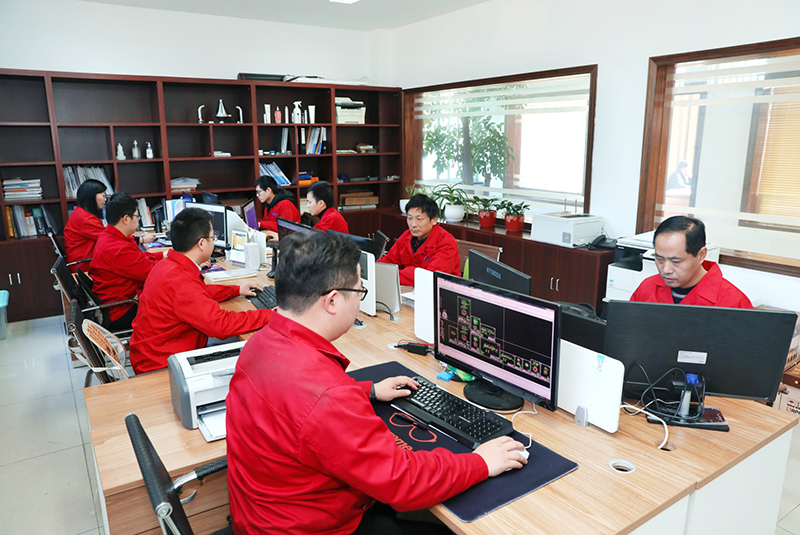
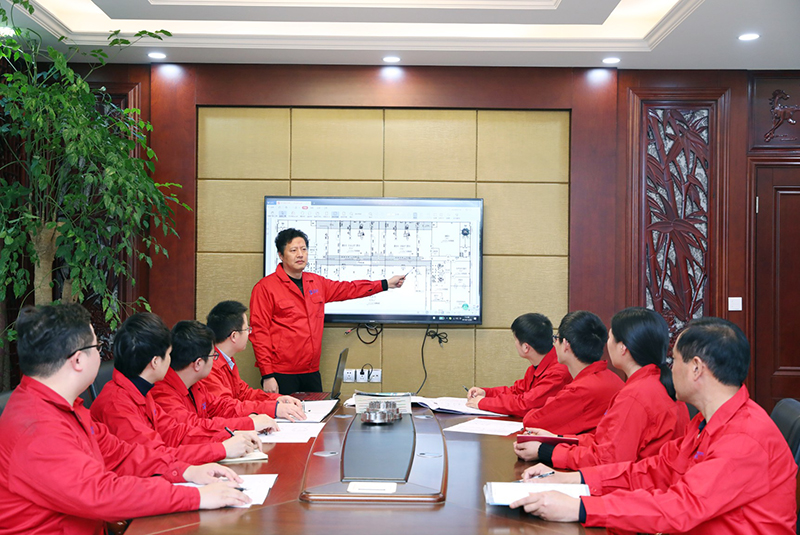
Follow our journey from local machinery manufacturer to global turnkey partner for SK-II, Shiseido, and Unilever.
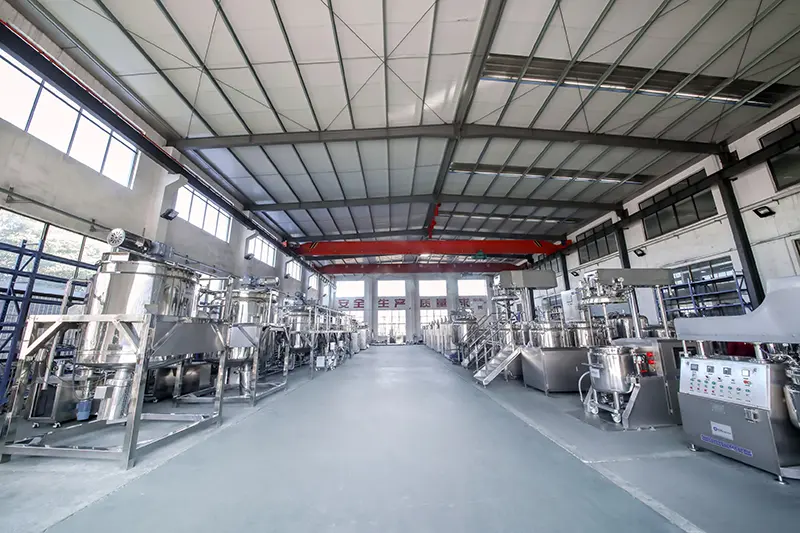
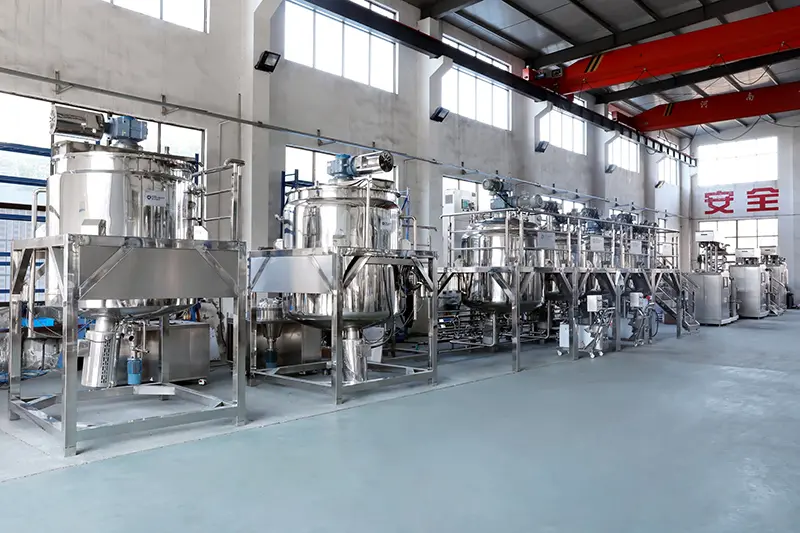
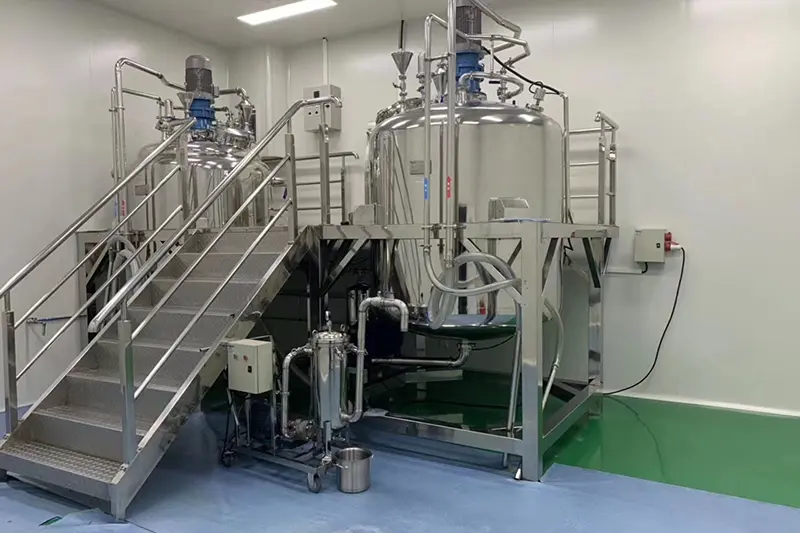
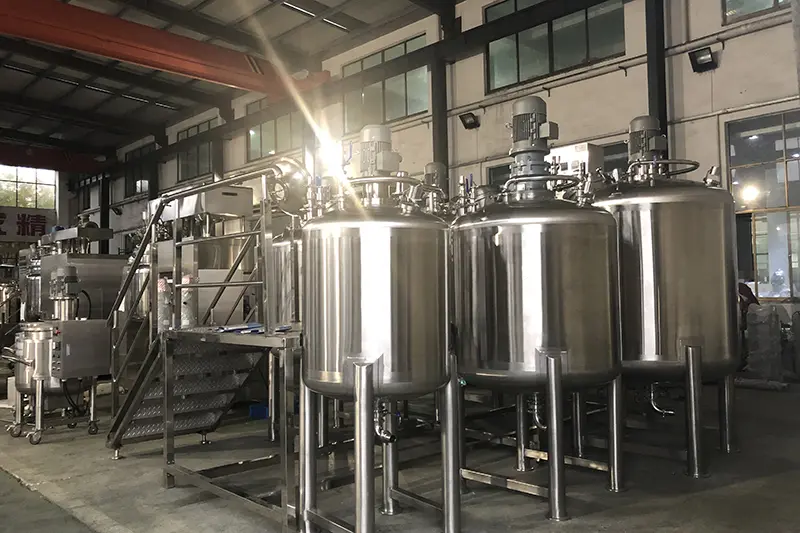
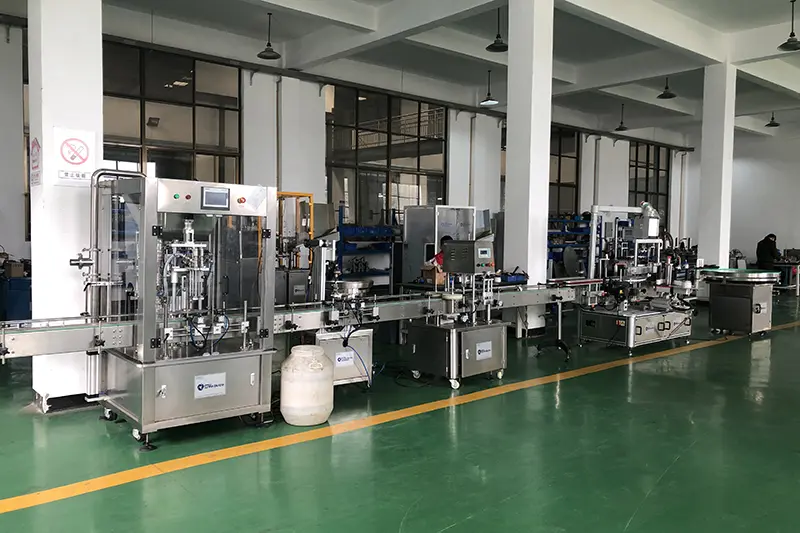
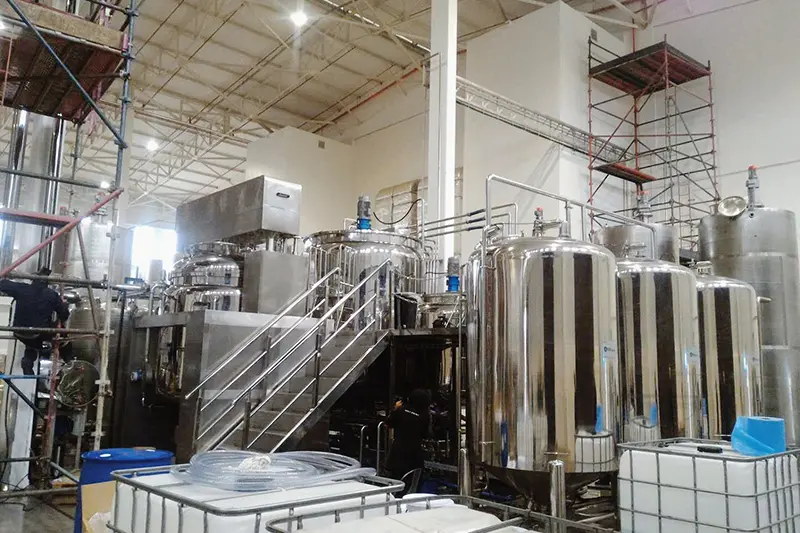
Combining world-class automation and material integration with highly competitive manufacturing logistics.
We balance China's manufacturing speed with critical components imported from globally renowned vendors. Electrical components, variable frequency drives, pneumatic parts, and PLC controllers are sourced from industry leaders: Siemens PLCs, ABB motors, Schneider Electric contactors, and Omron temperature controls. This guarantees that our finished machinery operates with exceptional reliability, reducing downtime and securing quick availability of spare parts globally.
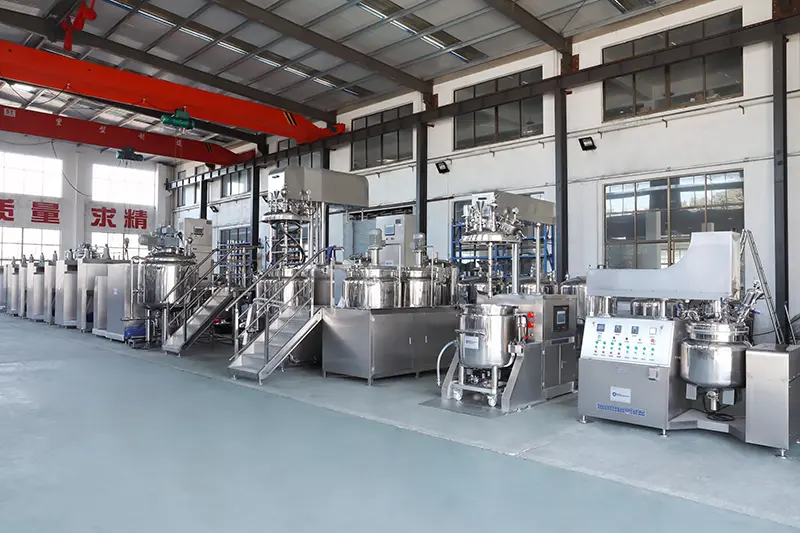
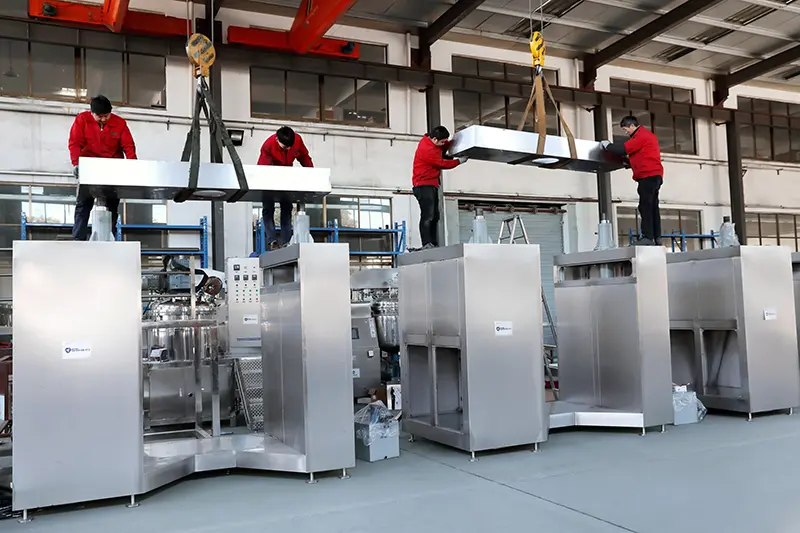
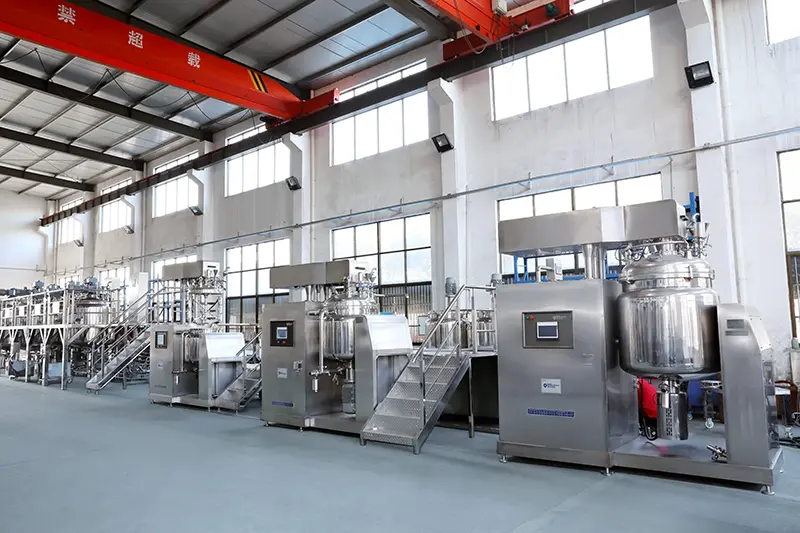
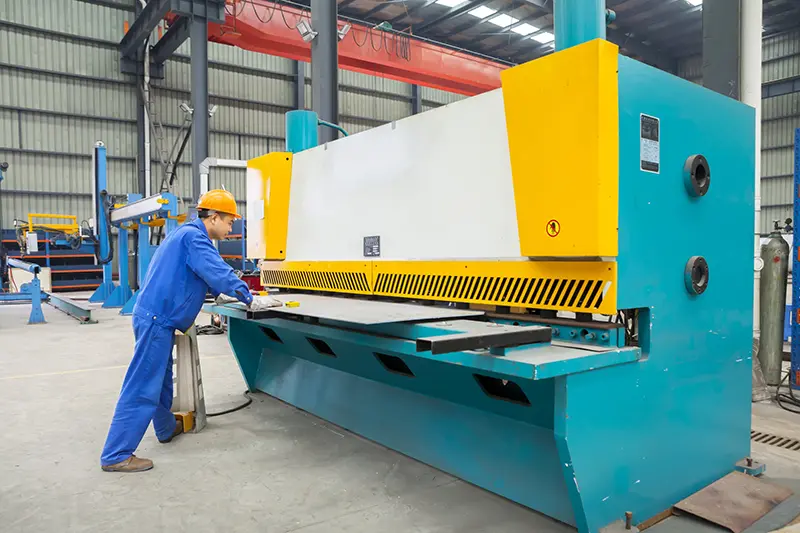
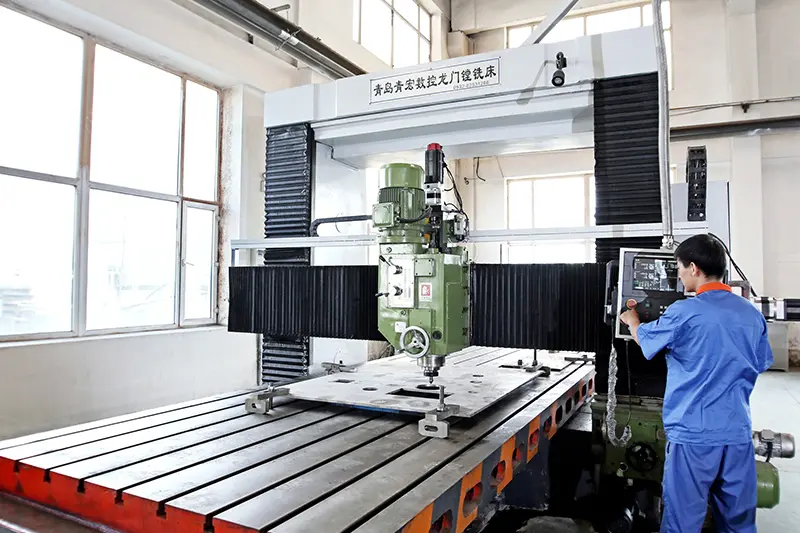
By consolidating processing, metal cutting, high-precision surface polishing, control cabinet assembly, and final testing under our 10,000 sqm Gaoyou facility, SINAEKATO exerts rigorous control over quality. We limit dependencies on third-party subcontractors, allowing us to manage lead times effectively and keep customization agile. This setup delivers significant cost savings compared to European equipment makers, while ensuring robust engineering and high manufacturing quality.
Before any machine leaves our loading bays, it undergoes a comprehensive Factory Acceptance Test (FAT). This includes vessel pressurization tests, vacuum stability reviews, heating and cooling speed verification, and structural vibration tests of the high-shear homogenizing head. These tests ensure the equipment integrates seamlessly into the buyer's production facility upon delivery.
Ensuring compliance with local environmental, grid safety, and pharmaceutical machinery guidelines worldwide.
Our vacuum homogenizers carry complete CE Certification, confirming compliance with the Machinery Directive 2006/42/EC, Low Voltage Directive 2014/35/EU, and Electromagnetic Compatibility (EMC) Directive 2014/30/EU. Built in accordance with DIN and ISO standards, our equipment uses certified explosion-proof configurations and redundant safety pressure relief systems, allowing trouble-free operation across the European Economic Area.
We supply complete documentation packages to support regulatory audits, including weld qualification certificates, food-grade gasket declarations, electrical schematics, and structural steel declarations of conformity.
Through our network of service partners and overseas support staff, SINAEKATO coordinates installation, startup, and technical training. We ensure our equipment is calibrated to meet local voltage grids (e.g., 380V/50Hz, 480V/60Hz) and factory control environments.
Our technical support includes:
Aligning processing machinery with automated production requirements, energy efficiency goals, and smart plant engineering.
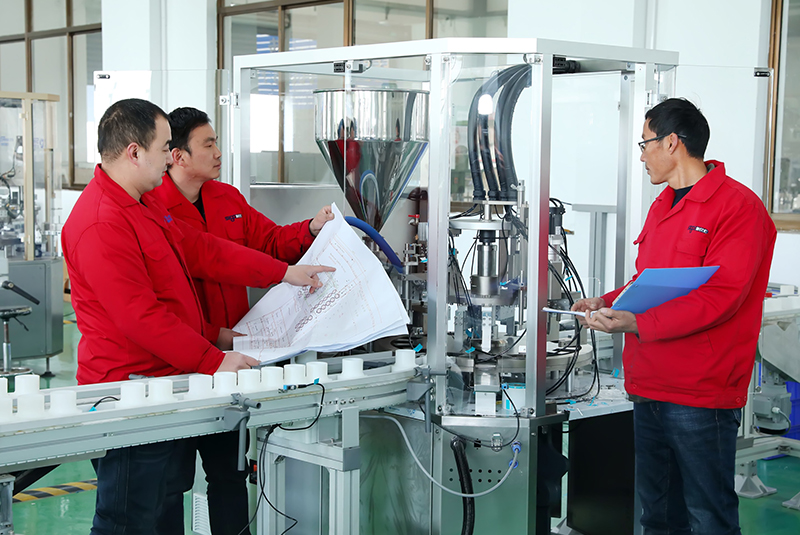
Contemporary cosmetics and personal care manufacturers are moving away from manual, multi-step production configurations. Global procurement managers actively target fully automated processing systems that integrate raw water filtration, ingredient dosing, emulsification, and product filling into a single connected system.
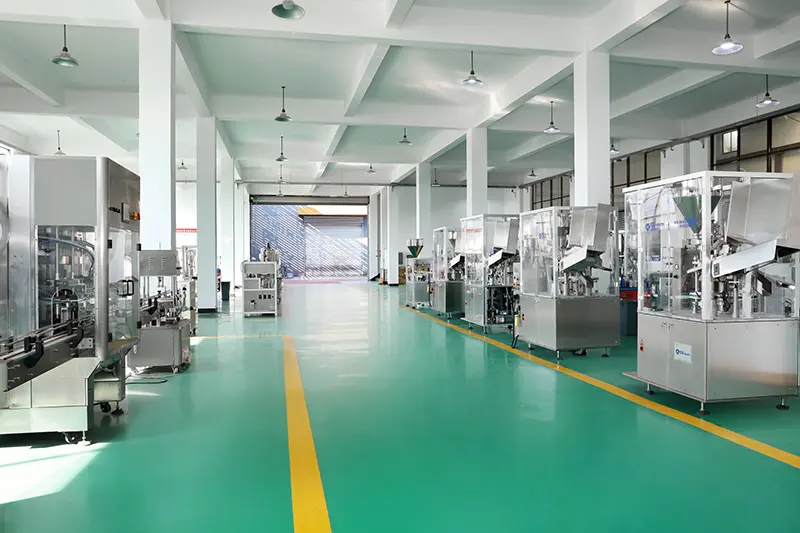
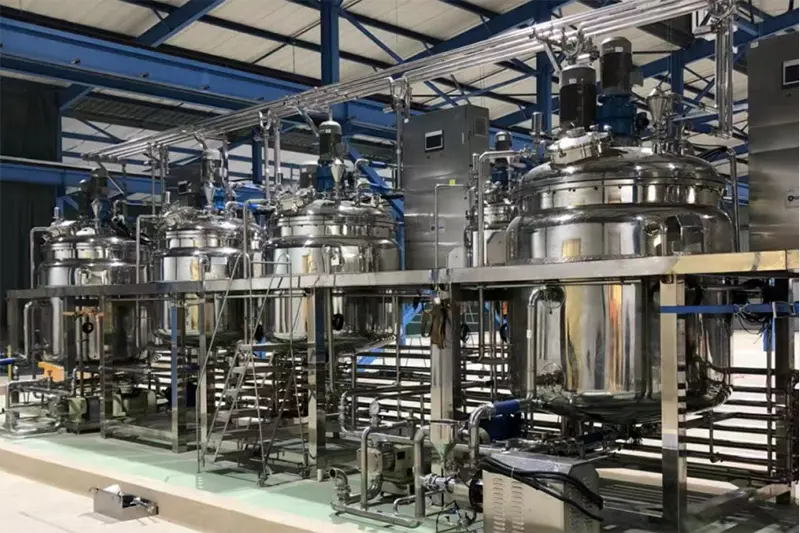
SINAEKATO meets this demand by delivering PLC-controlled systems that coordinate with storage tank groups, automated filling lines, and labeling units. This configuration minimizes manual handling, reduces contamination risks, and guarantees batch consistency.
Energy efficiency is a key priority for modern factories. The heating and cooling processes in cosmetics manufacturing require significant energy. Our vacuum homogenizing mixers feature optimized, high-density insulation jackets that prevent thermal loss during heating cycles.
Additionally, our heat exchange systems support recycling hot waste water for secondary pre-heating tasks, lowering the overall carbon footprint of your facility.
Common questions from procurement directors and process engineers about cosmetic cream production lines.
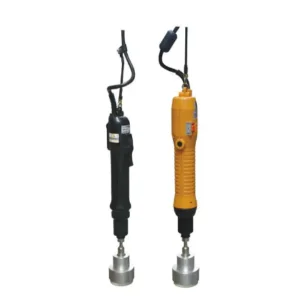
Complete your processing facility with our selection of water purifiers, capping systems, and secondary packaging equipment.
 Sina Ekato