 Sina Ekato

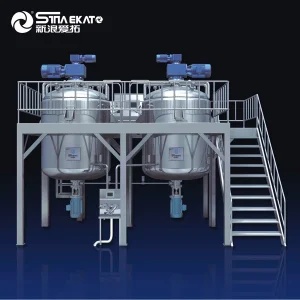
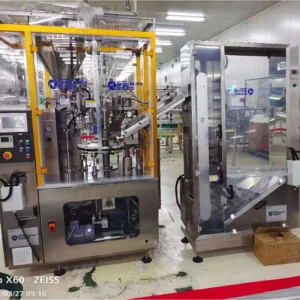
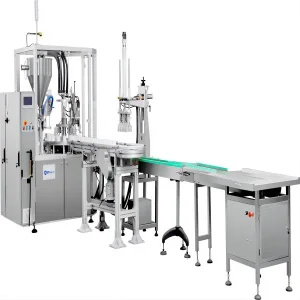
1. The Physics of Color Cosmetics Filling: Structural Integrity and Thermal Stability
Lipsticks, lip glosses, and mascaras are characterized by non-Newtonian, shear-thinning (pseudoplastic), or thixotropic flow behaviors. Under shear, these products experience temporary viscosity reductions; however, once the mechanical stress is removed, they recover their internal structure at varying rates. Managing this flow physics requires precise thermal and volumetric control at the filling point.
For instance, lipstick formulations typically rely on specialized waxes (such as Carnauba, Candelilla, and Beeswax) mixed with synthetic esters, oils, and high pigment concentrations. These materials must be kept within a strict melting window, generally between 75°C and 85°C, to remain fluid. If the temperature drops by even 2°C, premature recrystallization can occur, leading to flow blockages, internal cavitation (voids), or surface imperfections like "dull spots" on the finished product. Conversely, overheating leads to thermal oxidation of active ingredients, pigment settlement, and long cooling cycles.
Full automatic mascara filling poses a different challenge: the product is a dense, high-solid emulsion that dries rapidly when exposed to air. To prevent dry-out and air bubbles, machinery must use specialized wiper interfaces and closed-loop dosing lines.
Volumetric Dosing vs. High Viscosity Fluids
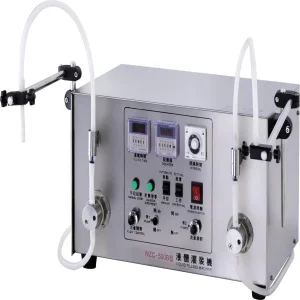
To achieve high dosing accuracy (within ±0.1g) without shear damage, modern automatic filling machines rely on positive displacement ceramic rotary valve pumps or high-torque servo-driven piston systems.
| Filling Mechanism | Applicable Formulation | Viscosity Range (cP) | Temperature Range | Precision / Stability Features |
|---|---|---|---|---|
| Servo Piston Dosing | Mascara, Lip Gloss, Pastes | 15,000 - 120,000 | Ambient to 60°C | Closed-loop feedback, adjustable acceleration profiles |
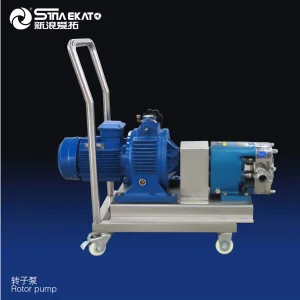
| Rotary Lobe Pump | Viscous Creams, Primers | 5,000 - 80,000 | Ambient to 70°C | Continuous non-pulsating flow, low shear design |
| Thermal Piston (Jacketed) | Lipstick, Hot pour balm | 10,000 - 50,000 | 65°C - 90°C | Oil jacketed hopper & nozzle manifold, continuous recirculating valves |
2. Technical Breakdown of Automatic Lipstick & Lip Gloss Systems
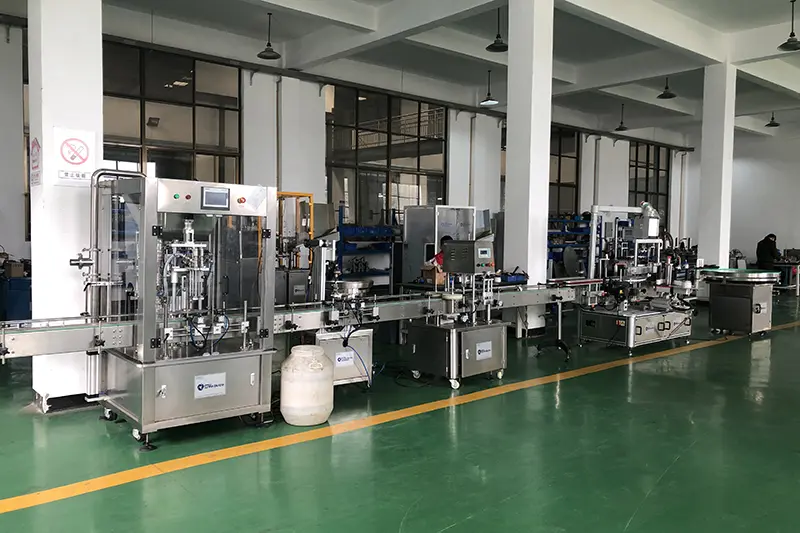
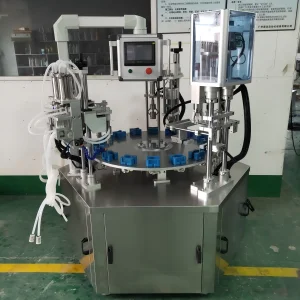
High-capacity factories looking to optimize OEE (Overall Equipment Effectiveness) cannot rely on semi-automated batch filling. Full automatic systems integrate multi-nozzle manifolds, automatic container detection, dynamic bottom-up filling, and in-line cooling.
Dynamic Bottom-Up Dosing and Air Entrapment Mitigation
Lip gloss and mascara are prone to trapping air during high-speed filling. This can result in localized oxidation, weight inconsistencies, and visual defects. Modern machinery addresses this using servo-controlled nozzle insertion and retraction.
During the dosing sequence, the filling nozzle descends to the bottom of the container. As the product is discharged, the nozzle lifts in synchronization with the rising level of the formula. Because the nozzle tip remains just beneath the liquid surface, it prevents air pockets from forming. This dynamic movement is programmed into the PLC (Programmable Logic Controller), allowing operators to adjust the speed curve based on formulation viscosity.
Thermal Recirculation and Valve Block Technologies
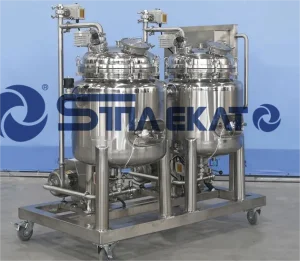
To prevent lipstick formulations from cooling and solidifying in the filling manifold during temporary line stoppages, SINAEKATO machines utilize continuous hot oil jacketed loops.
The lipstick mass is constantly pumped from the heated agitation hopper through the rotary valve block and back to the hopper. This recirculating design prevents the product from settling or cooling inside the nozzle tips. The valves themselves are made of highly polished, food-grade SUS316L stainless steel, designed to withstand daily cleaning procedures without losing dimensional tolerance.