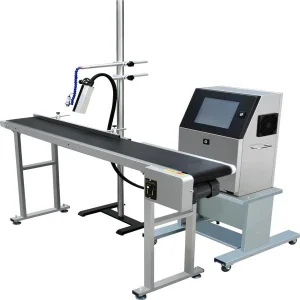
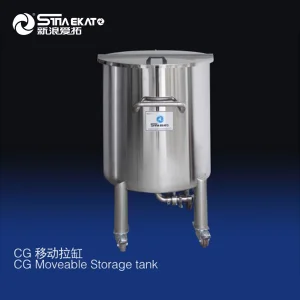
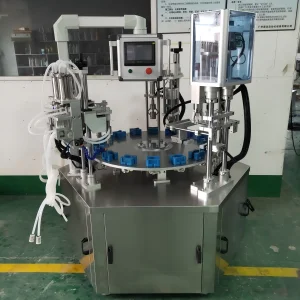
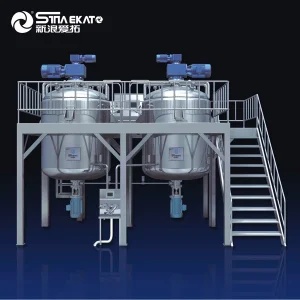
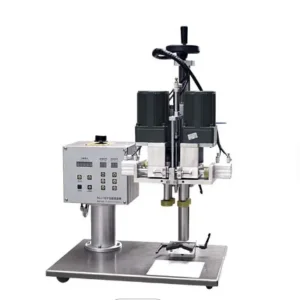
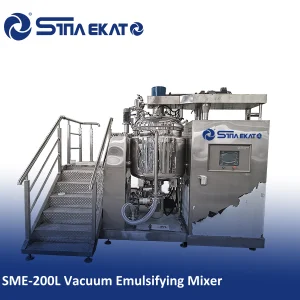
The global cosmetic and pharmaceutical landscape is undergoing a radical shift. As consumer demand for hygiene and precision grows, the role of Full-Auto Tube Filling and Sealing Machines has transcended simple production. Today, these systems are the heart of the "Smart Factory," integrating IoT connectivity to ensure every milliliter of product—be it ointment, cream, or cosmetic gel—is dosed with clinical accuracy.
At SINAEKATO, we embrace the "China Factory 4.0" paradigm. Our manufacturing philosophy focuses on Supply Chain Resilience and digital integration. By utilizing modular designs, we allow our clients to scale their operations rapidly, switching between plastic, aluminum, and laminated tubes without costly downtime. This flexibility is the bedrock of modern industrial competitive advantage.
Why is CE Certification non-negotiable? In the European and global markets, CE compliance is not merely a bureaucratic hurdle; it is a testament to the safety and reliability of the machinery. Our equipment undergoes rigorous testing for electrical safety, electromagnetic compatibility, and mechanical integrity, ensuring seamless integration into your facility’s existing production line.
Procurement managers worldwide are moving away from monolithic, black-box machinery toward "Open Architecture" systems. Our machines provide transparent data outputs, allowing plant managers to monitor OEE (Overall Equipment Effectiveness) in real-time. Whether you are an SME in South Africa or a global conglomerate in Japan, our modular systems are designed to adapt to your specific throughput requirements.
A: Full automation reduces human touchpoints, minimizing contamination risks—critical for pharmaceutical and high-end cosmetic production. It also allows for continuous operation, significantly increasing throughput and consistency in seal quality.
A: Yes. We specialize in tailoring our machines for high-viscosity creams, liquids, and gels. Our engineers work with your sample products to optimize the pump mechanism and nozzle geometry.
A: We utilize 80% of our components from world-renowned suppliers. Our design process aligns with ISO and CE directives, involving strict testing protocols from prototyping to final factory acceptance testing (FAT).
A: Our PLC control systems are compatible with industry-standard communication protocols, allowing for data logging, remote diagnostics, and seamless integration into your facility's central management software.
 Sina Ekato