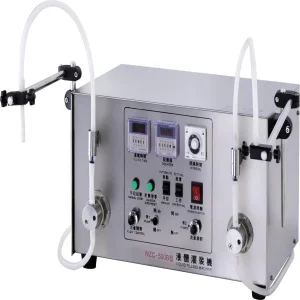
Explore our flagship range of high-efficiency, fully compliant production systems custom-engineered for international distribution and rigorous operational reliability.
The global packaging sector is undergoing a profound transformation. Driven by strict regulatory policies, changing consumer preferences, and the rise of smart manufacturing, the demand for high-speed, flexible, and CE-compliant automatic filling machines has surged. Today's manufacturing systems must move beyond simple mechanical movement. Leading industrial lines must integrate advanced servo motor controls, Internet of Things (IoT) monitoring, and highly customizable dispensing units.
By leveraging mass flow meters, positive-displacement pumps, and non-contact sensor setups, modern automatic tracking filling systems achieve remarkable accuracy levels (within ±0.5%). This reduces product giveaway and optimizes the bottom-line profitability for pharmaceutical, cosmetic, chemical, and food operations globally.
For any global enterprise distributing within or importing into the European Economic Area (EEA), CE Certification is not just a regulatory checkmark; it is a fundamental pillar of risk management and operational safety. A certified machine guarantees compliance with primary European Directives:
Thirty years of engineering excellence and active engagement across major markets. Over the decades, we have optimized and scaled specialized production configurations for global brands.
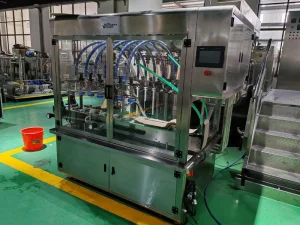
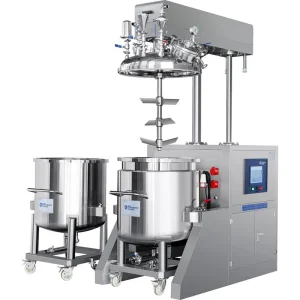
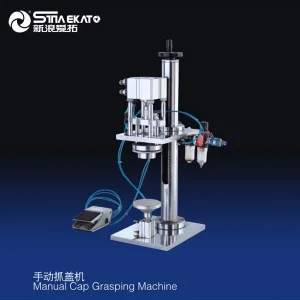
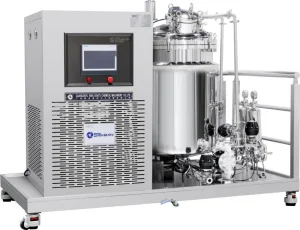
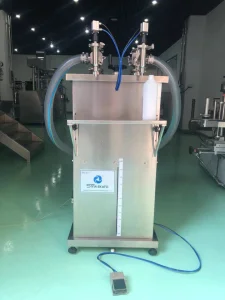
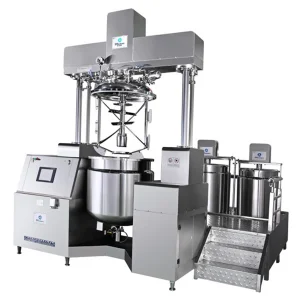
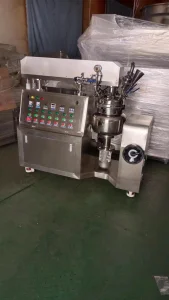
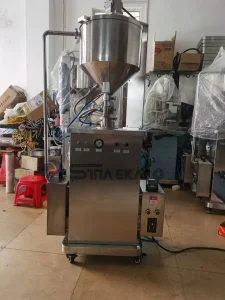
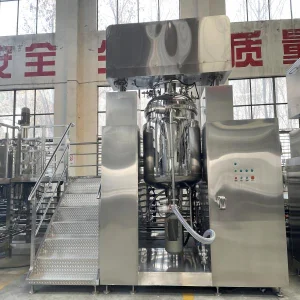
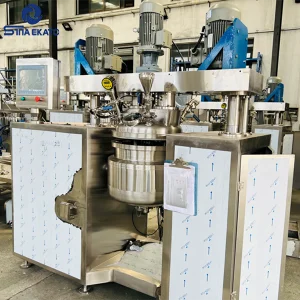
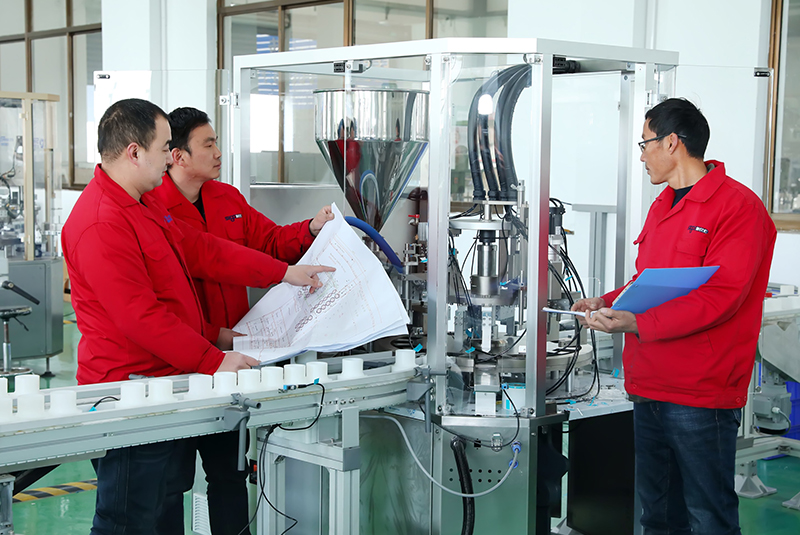
Modern packaging lines must handle diverse products—from low-viscosity liquid perfumes to highly viscous cosmetic creams and food condiments. SINAEKATO provides tailored engineering routes featuring vacuum emulsifying systems, constant temperature water-circulation mixing tanks, and automatic volumetric track filling setups.
Ensuring uptime requires premium components. Over 80% of our core mechanical and electrical parts are sourced from renowned global suppliers (such as Siemens, Schneider, and Omron). This reduces component failures and ensures long-term operational stability.
For skincare, cosmetic, and food processing applications, hygiene is non-negotiable. Our filling tracks and mixers utilize premium Stainless Steel SUS316L on all contact surfaces. Smooth welds, sanitary clamp fittings, and optional CIP (Clean-In-Place) integration prevent batch contamination.
Our commitment is simple: "LET THE WORLD KNOW MADE IN CHINA" by delivering high-performance machinery and professional lifecycle services. Partnering with SINAEKATO means gaining access to expert technical support, detailed validation documentation (IQ/OQ/DQ), and reliable after-sales service.
Stable, Reliable, Precise, and Intelligent are the key benchmarks we set for every machine leaving our floor. We step forward together with our global customers into a automated, highly productive future.
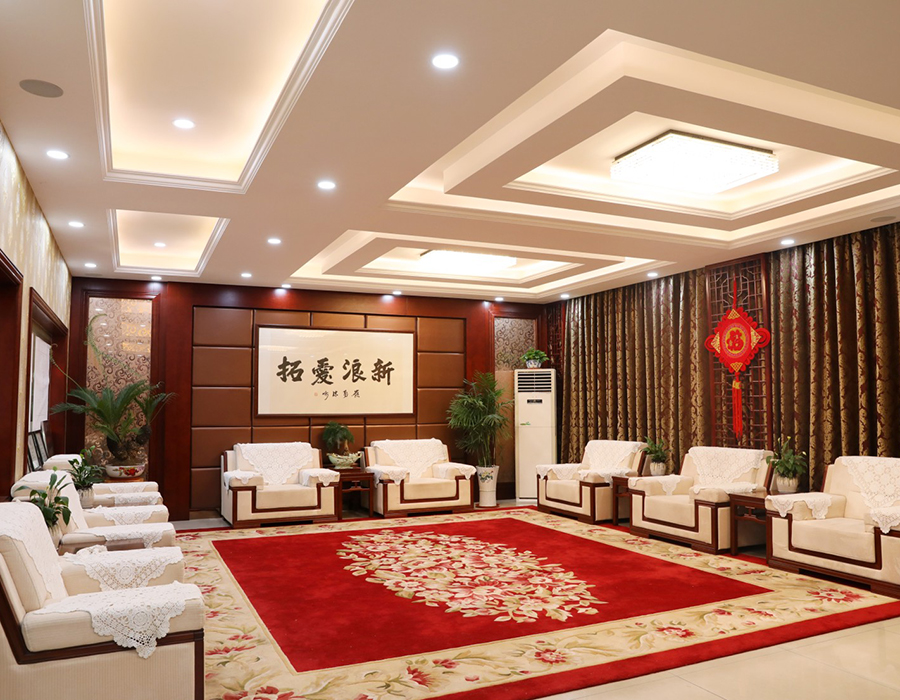
From our early origins in chemical machinery manufacturing to forming partnerships with major global consumer brands, discover our history of innovation and growth.
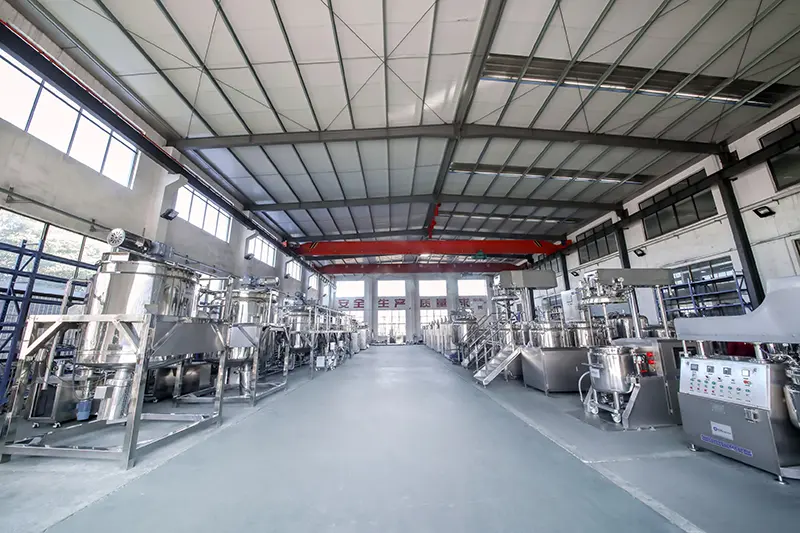
Successfully entered the chemical machinery industry, establishing core machining capabilities.
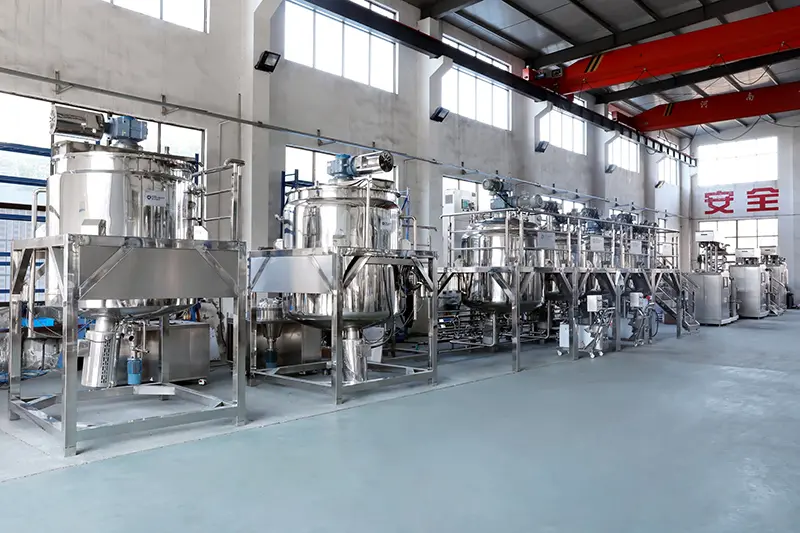
Guangzhou Sina Cosmetics Engineering Equipment Co., Ltd. was established to serve the cosmetic manufacturing sector.
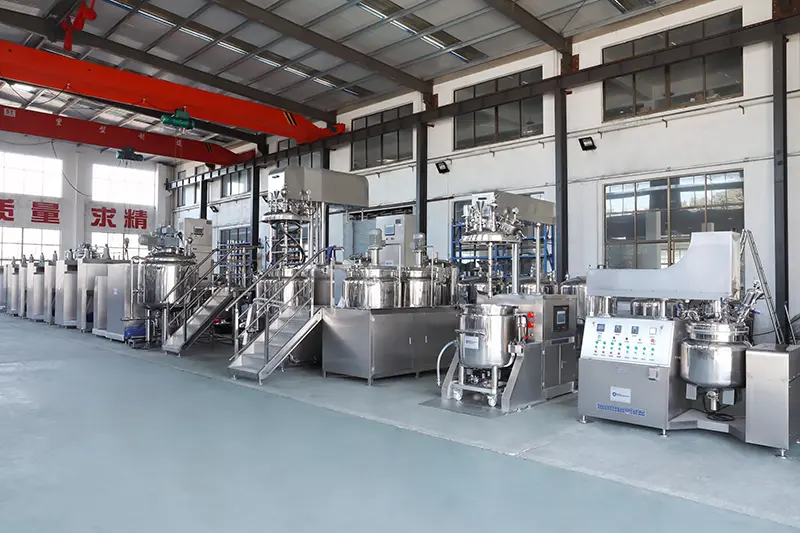
Established Hong Kong Hantao International Investment Co., Ltd. to initiate international trade relations.
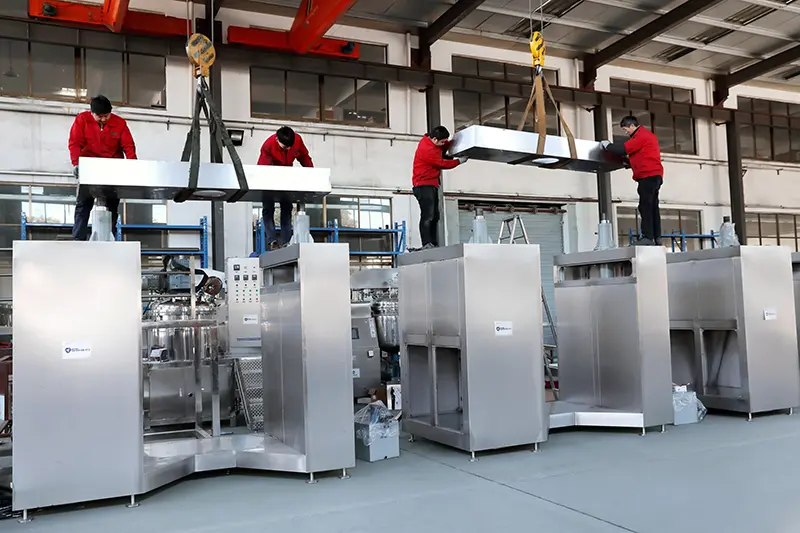
Gaoyou Sina Chemical Machinery Equipment Factory was established. Concurrently, our Guangzhou operations renamed to Guangzhou Sina Chemical Machinery Co., Ltd.
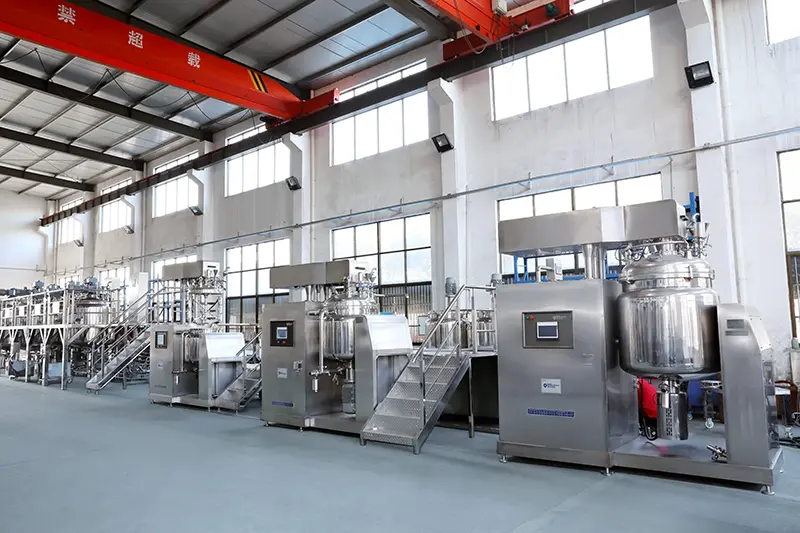
Established Gaoyou Sina Light Industry Machinery Equipment Factory to scale manufacturing of light industrial machinery.
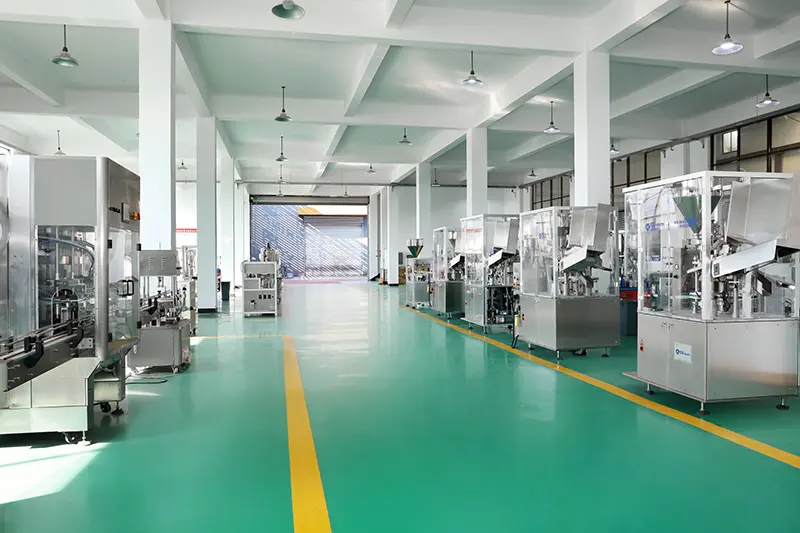
Acquired 10,000 square meters of manufacturing land in Gaoyou. The new facility, operating as SINA EKATO CHEMICAL MACHINERY CO., LTD (GAOYOU CITY), began production.
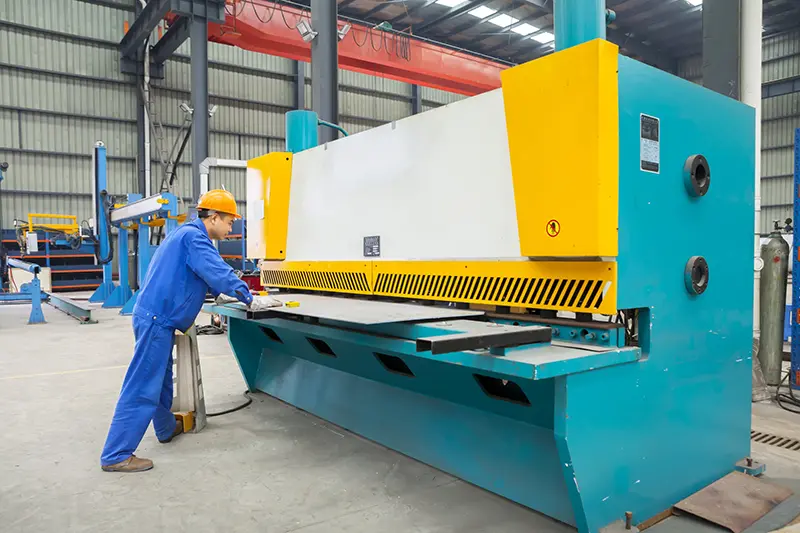
Established Yangzhou Hantao Chemical Machinery Co., Ltd. to broaden our design and production capabilities.
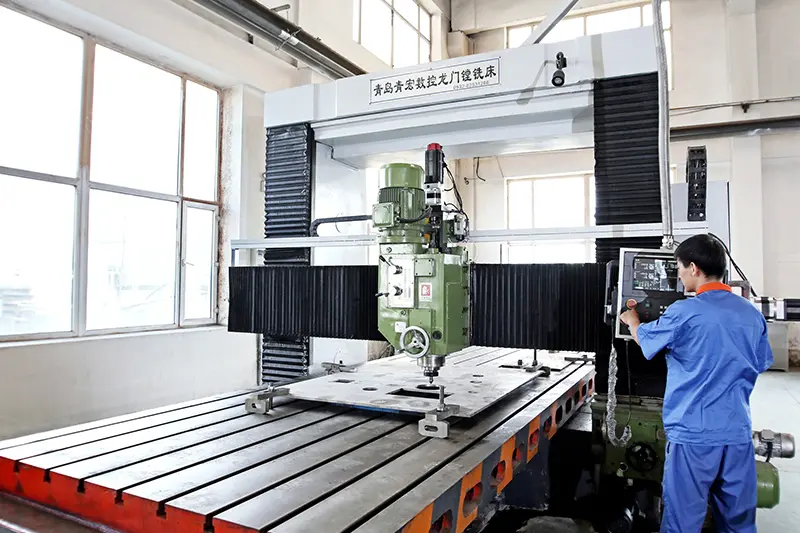
Acquired Guangzhou Jingcheng Machinery. Established a large-scale exhibition center and launched our formal export sales channels.
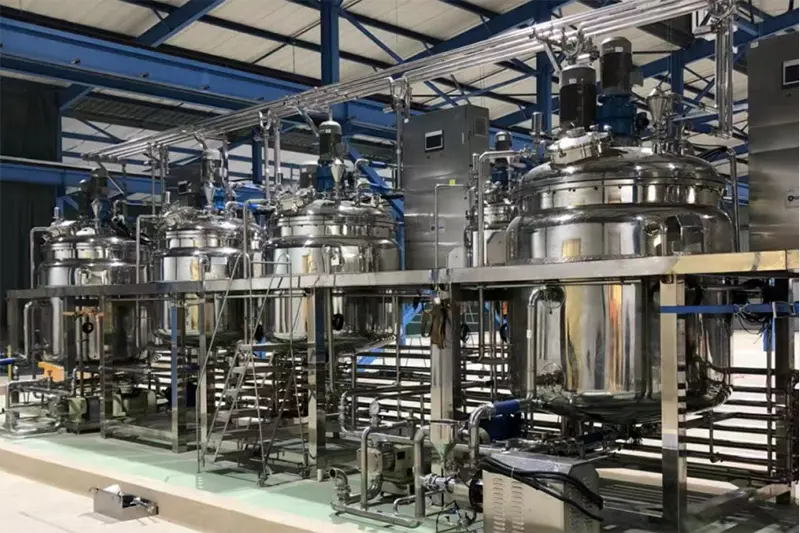
Renamed the original Guangzhou Sina Chemical Machinery Co., Ltd. to Guangzhou SINAEKATO Chemical Machinery Co., Ltd.
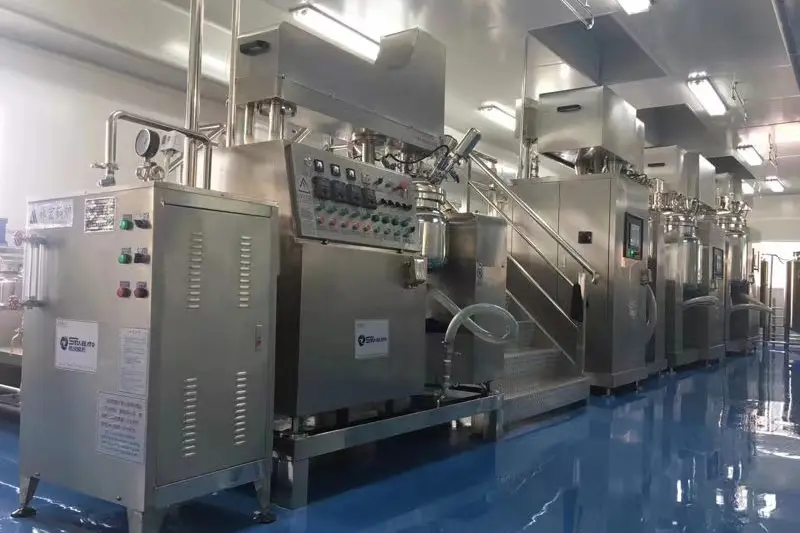
Acquired Guangzhou Suogao Machinery Equipment Co., Ltd. to integrate their technical expertise.
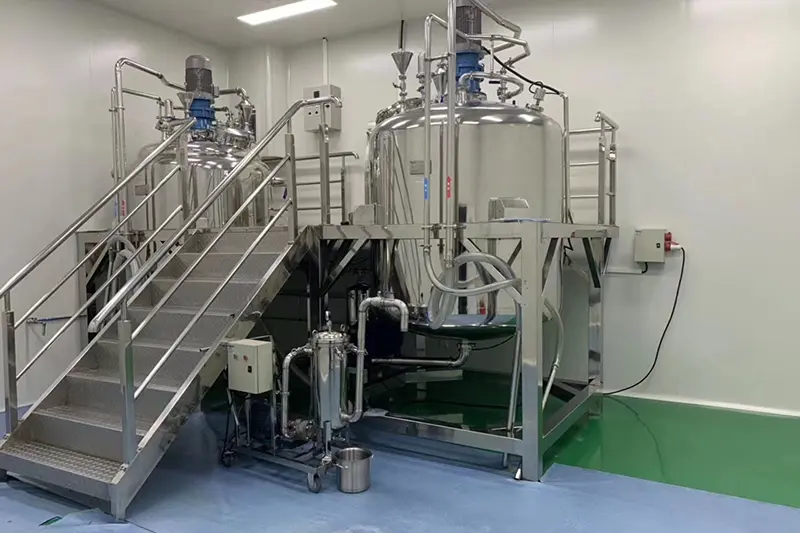
Designated SINA EKATO CHEMICAL MACHINERY CO., LTD (GAOYOU CITY) as the corporate headquarters for production, sales, and global after-sales service.
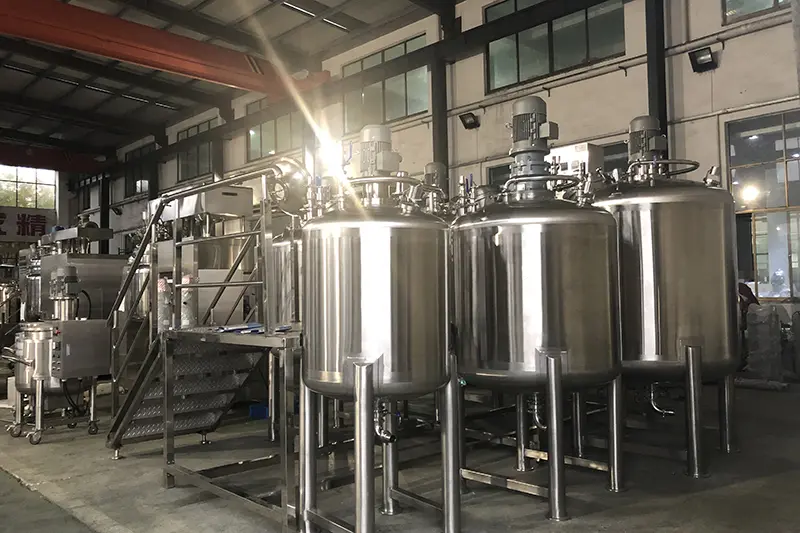
Established SINA EKATO Equipment (Jiangsu) Co., Ltd. to foster international joint ventures and cooperative production projects.
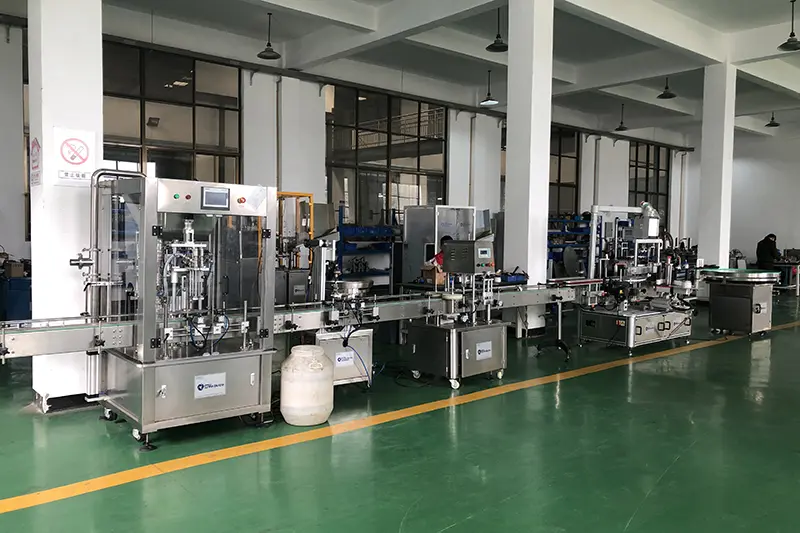
Partnered with Europe's FLEMAC to establish Germany SINAEKATO Group Co., Ltd., driving high-end European R&D designs.
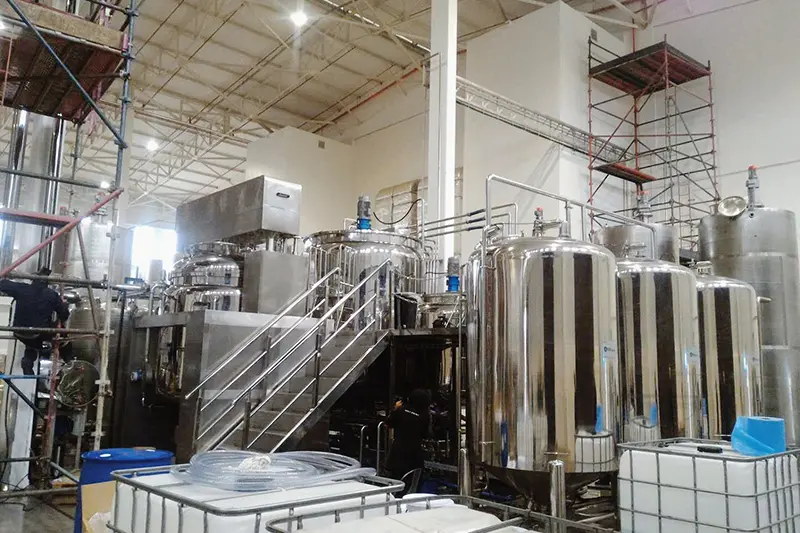
Partnered with South Africa Unilever on a major cosmetic project (valued at $800,000 USD) and collaborated with a Japanese OEM partner for SK-II/Shiseido cosmetics equipment (valued at $1,500,000 USD).
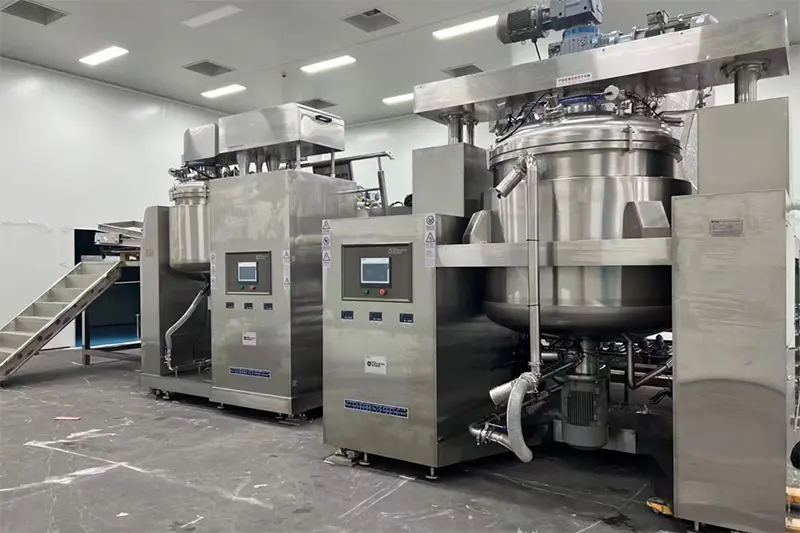
Partnered with Japanese manufacturing operators on a detergent and liquid washing production system line, securing a $1,000,000 USD order.
The next generation of automatic tracking filling machines focuses on intelligent monitoring and adaptive adjustments. By incorporating real-time feedback loops via PLC-controlled touch screen interfaces, filling lines can dynamically adjust to liquid density or viscosity fluctuations without operator intervention. In addition, predictive maintenance schedules driven by IoT-enabled sensors can monitor seal wear, valve performance, and motor heat in real-time, helping prevent unexpected downtime.
For chemical and perfume packaging, explosive atmosphere protection (ATEX/IECEx compliance) is critical. Integrating explosion-proof motors, anti-static belts, and pneumatic controls with CE-marked machinery allows processors to fill high-alcohol liquids safely under hazardous conditions.
Find answers to key technical, regulatory, and operational questions regarding CE-certified filling systems and mixers.
CE certification indicates that the filling machine complies with all applicable European safety, health, and environmental protection directives. Key standards include the Machinery Directive 2006/42/EC, Low Voltage Directive 2014/35/EU, and Electromagnetic Compatibility Directive 2014/30/EU. The machinery must undergo strict risk assessments, design reviews, and safety testing to receive a declaration of conformity.
Standard volumetric filling systems stop containers at a fixed station before dispensing liquid. In contrast, automatic tracking filling systems feature nozzles that move alongside the containers on a moving conveyor belt. This tracking design allows for continuous, high-speed filling, reduces liquid splashing, and significantly boosts overall production capacity.
To deliver high performance and reliability, we source 80% of our core components (including valves, PLC microprocessors, pneumatic cylinders, and electrical systems) from leading global brands. Combined with our 30-year engineering heritage and rigid quality testing protocols, this supply chain strategy ensures consistent uptime and reliable spare parts availability worldwide.
Yes. We specialize in design-to-order manufacturing for cleanrooms and sterile environments. By utilizing Stainless Steel SUS316L, mirror-polished surfaces, cleanable sanitary valves, and automated Clean-in-Place (CIP) systems, our mixers, homogenizers, and filling lines meet the hygienic standards required by cosmetic and pharmaceutical industries.
We have delivered processing and packaging machinery to clients across 55 countries. Key milestones include a $800,000 USD cosmetics project for Unilever in South Africa, a $1.5 million USD OEM production project for SK-II/Shiseido lines in Japan, and a $1 million USD automated liquid washing plant setup in 2021.
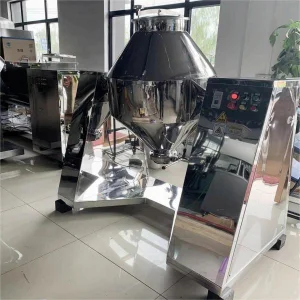
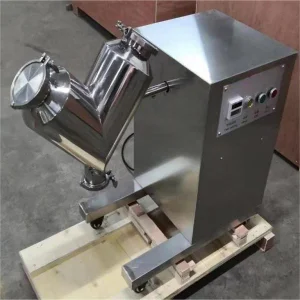
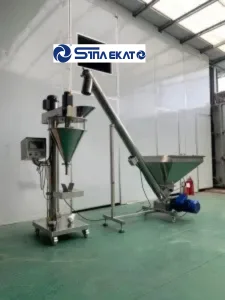
Review our full range of specialty mixers, powder dosing systems, and high-efficiency filling lines designed for global manufacturing facilities.
 Sina Ekato