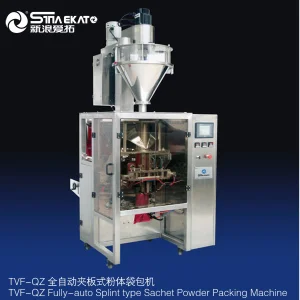
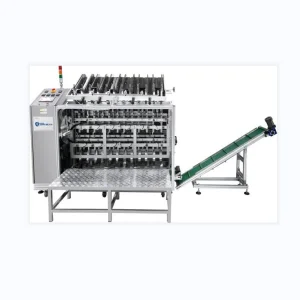
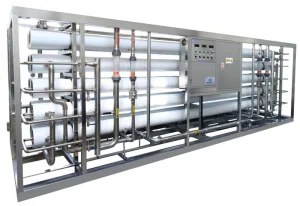
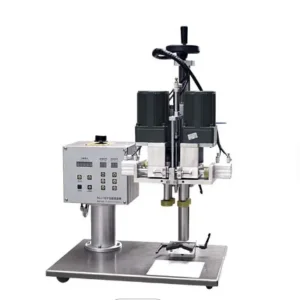
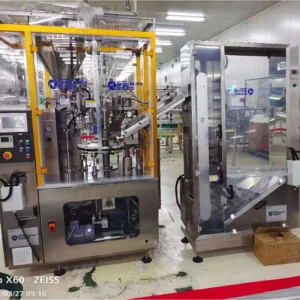
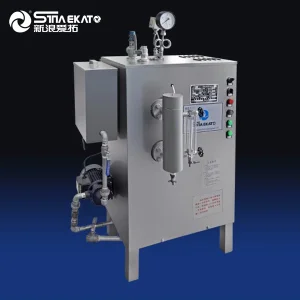
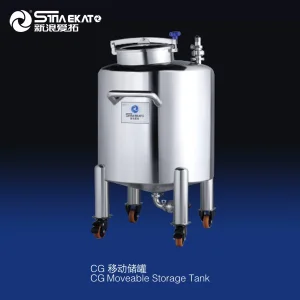
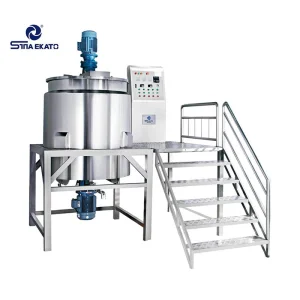
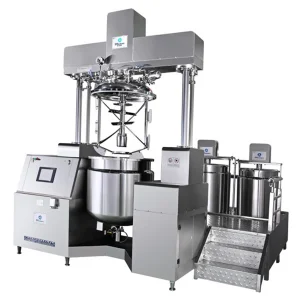
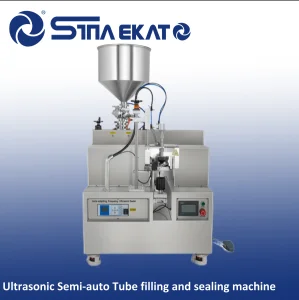
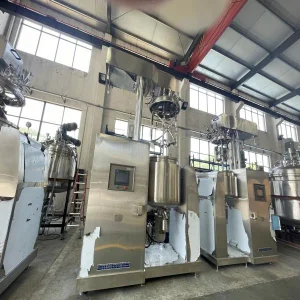
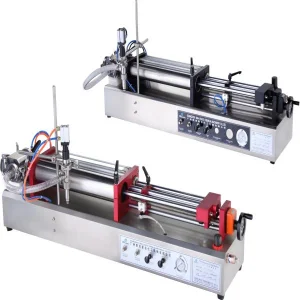
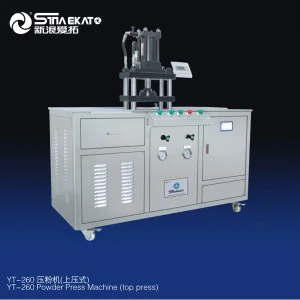
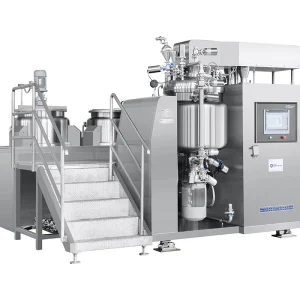
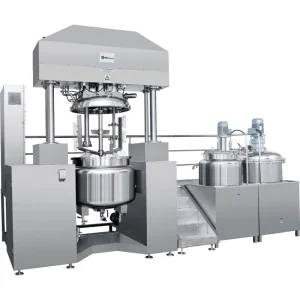
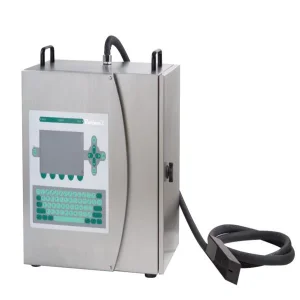
Explore our high-performance line of processing, mixing, and packaging machinery designed for global pharmaceutical and cosmetics standards.
Comprehensive technical analysis of active ingredient stability, high-shear dispersion, and safety compliance.
In a post-pandemic global industrial landscape, the production of liquid, gel, and emulsion-based sanitizers has transitioned from simple, localized batch operations to highly regulated, large-scale pharmaceutical and cosmetic processing. Designing an efficient and safe sanitizer mixing tank requires deep understanding of chemical engineering, rheological behaviors of thickeners (such as carbomer polymers), volatility control of alcohols (Ethanol and Isopropyl Alcohol), and explosion-proof mechanical architecture (ATEX and NEC Class I Division 1 certifications).
Sanitizers primarily exist in three viscosity ranges: low-viscosity liquid sprays, medium-viscosity hydro-alcoholic gels, and high-viscosity moisturizing creams or emulsions. Each profile requires a distinct agitation mechanism to ensure homogeneous dissolution of antimicrobial agents without degrading the polymer structure or causing localized thermal hot spots. SINAEKATO leverages decades of fluid mechanical engineering to provide custom mixing vessels that address these complex variables, delivering maximum information gain and absolute operational control to production facilities worldwide.
Founded in 1992, SINAEKATO has built a 30+ year legacy of excellence in manufacturing wet-processing and packaging lines. We specialize in engineering one-stop solutions for the cosmetics, skin care, pharmaceutical, chemical, and food industries. Our product lines encompass Vacuum Emulsifying Mixers, Liquid-Washing Homogenizer Mixers, RO Water Treatment Series, Perfume Chiller Production Lines, Toothpaste Production Systems, Automatic Filling & Sealing Machines, and robust Sanitary Storage Vessels.
We operate in over 55 countries, employing a highly-skilled team of 150 engineers and manufacturing professionals in our state-of-the-art Chinese facility alongside dedicated local agents and engineering partners overseas. By focusing on scientific innovation and structural reliability, we bridge the gap between heavy industrial mechanical systems and delicate chemical processes.
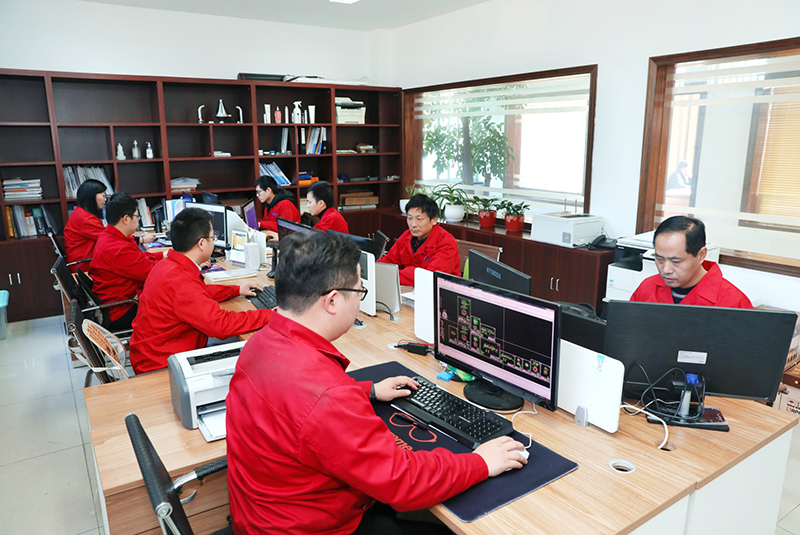
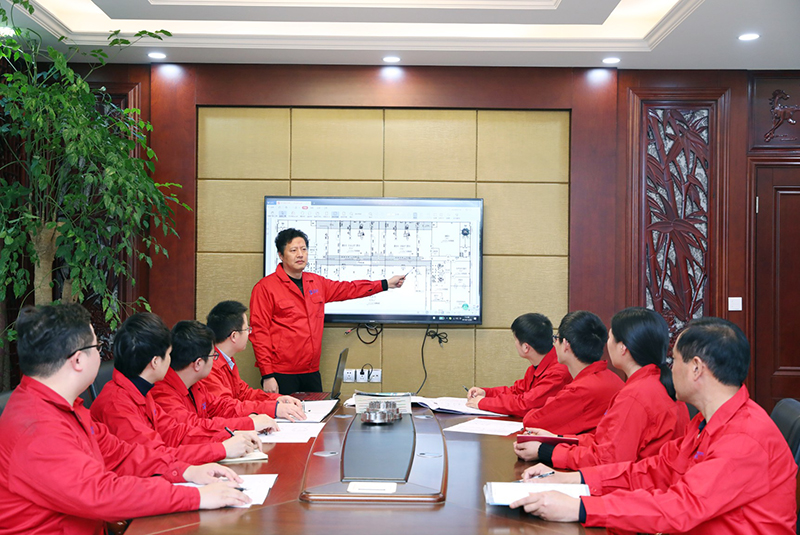
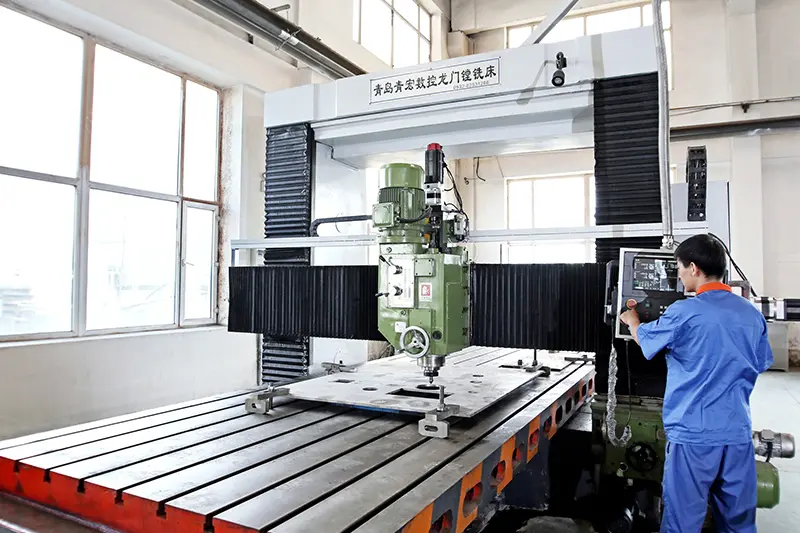
Science and technology represent the bedrock of modern manufacturing capacity. We are deeply committed to R&D, utilizing precise testing rigs, laser-aligned CNC machining centers, and strict quality control measures to deliver outstanding product performance. A central pillar of our quality architecture is our component supply chain:
This long-term cooperation enables us to build machines with high operational safety thresholds, reducing downtime, optimizing maintenance intervals, and securing local parts availability for international buyers.
Over three decades of scale-up, acquisition, and cross-border partnership development.
Engaged in the chemical machinery industry, laying technical foundations.
Guangzhou Sina Cosmetics Engineering Equipment Co., Ltd. was established.
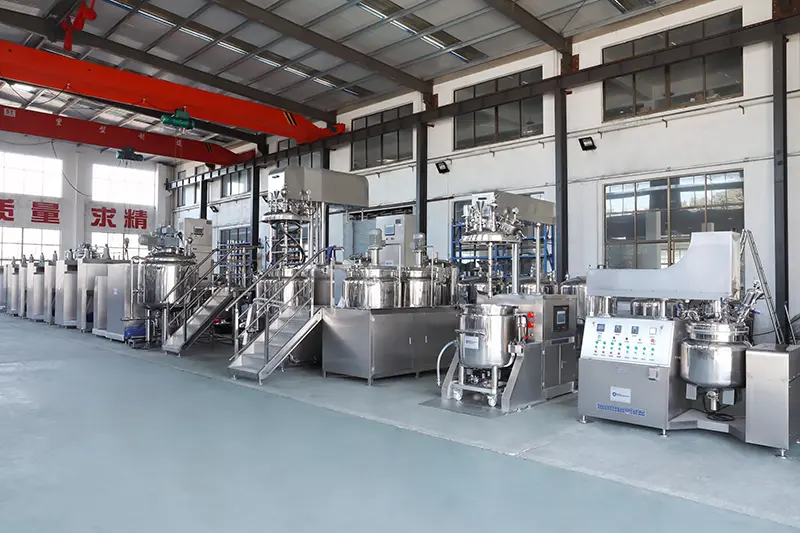
Established Hong Kong Hantao International Investment Co., Ltd. for global reach.
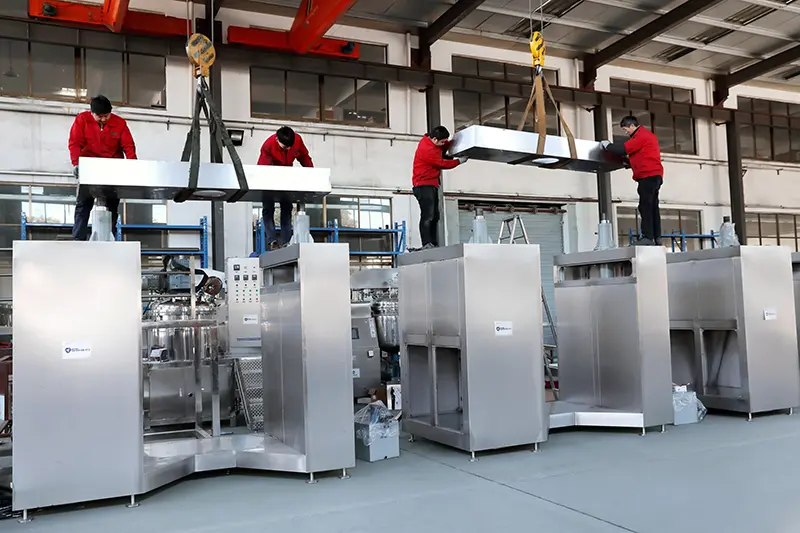
Gaoyou Sina Chemical Machinery Equipment Factory established; expansion of manufacturing footprint.
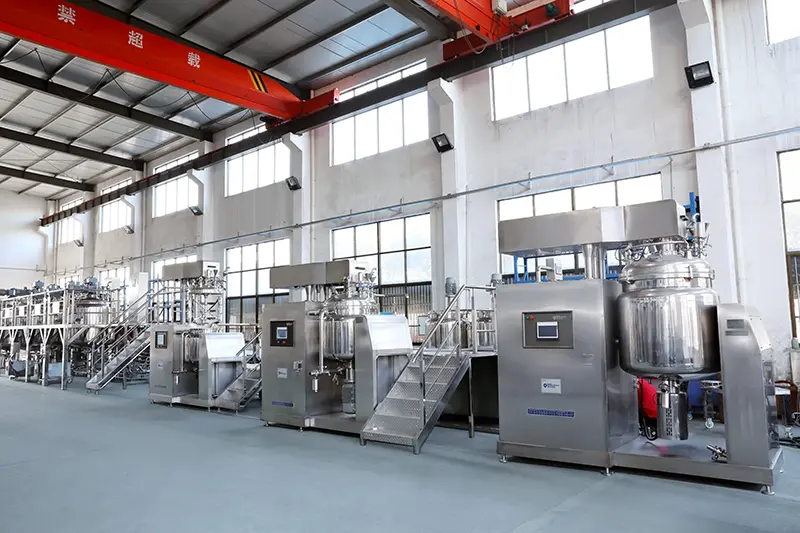
Established Gaoyou Sina Light Industry Machinery Equipment Factory.
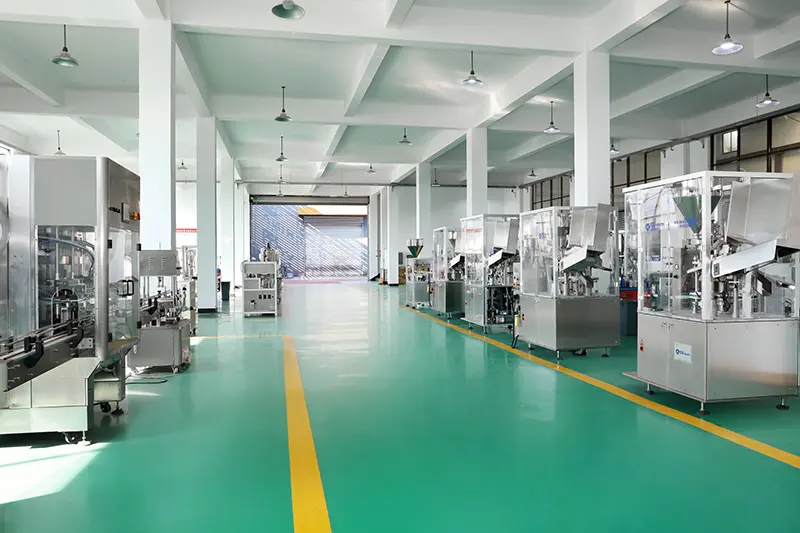
Purchased 10,000 sqm in Gaoyou. New processing plant operational: SINA EKATO CHEMICAL MACHINERY CO., LTD.
Established Yangzhou Hantao Chemical Machinery Co., Ltd.
Acquisition of Guangzhou Jingcheng Machinery; built a large exhibition center & export pipelines.
Guangzhou Sina Chemical Machinery Co., Ltd. renamed Guangzhou SINAEKATO Chemical Machinery Co., Ltd.
Strategic acquisition of Guangzhou Suogao Machinery Equipment Co., Ltd.
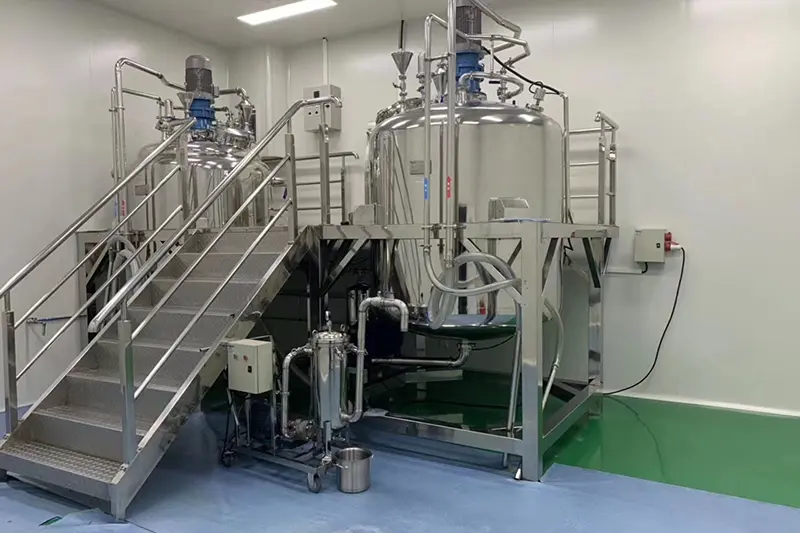
SINA EKATO (Gaoyou City) consolidated as Headquarter for production, sales, and service.
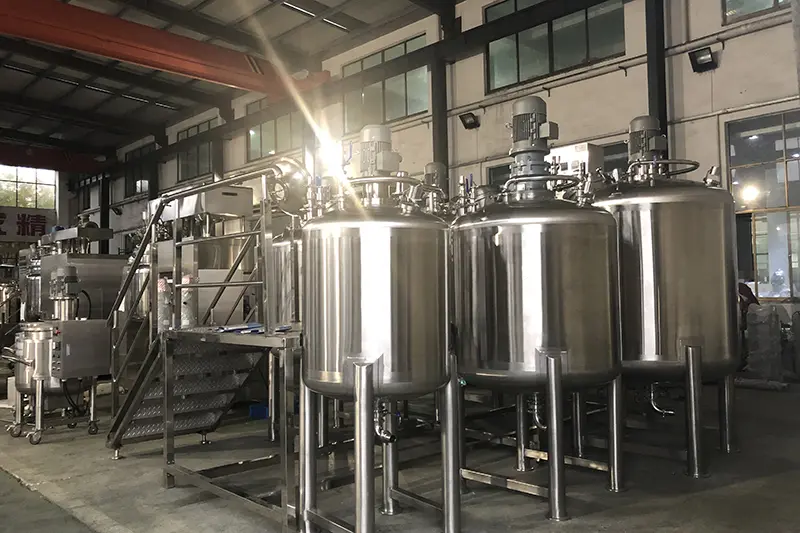
Established SINA EKATO Equipment (Jiangsu) Co., Ltd. to foster foreign cooperation.
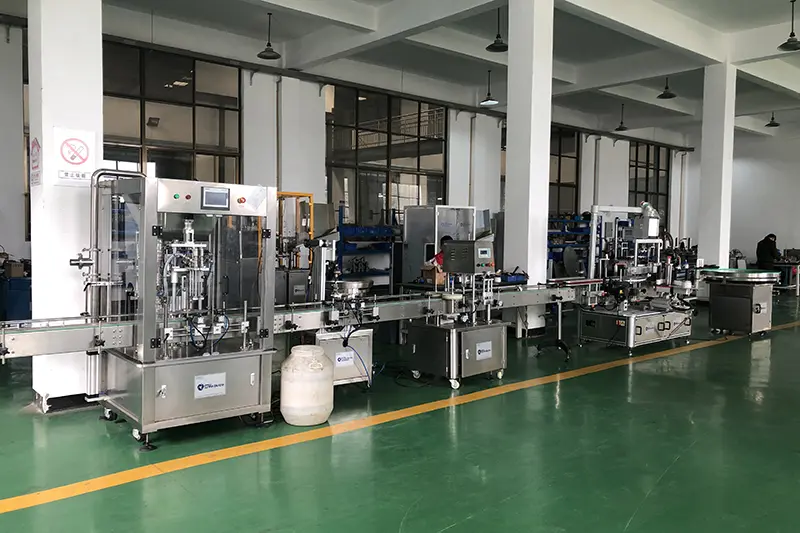
Partnership with Germany's FLEMAC, establishing Germany SINAEKATO Group Co., Ltd.
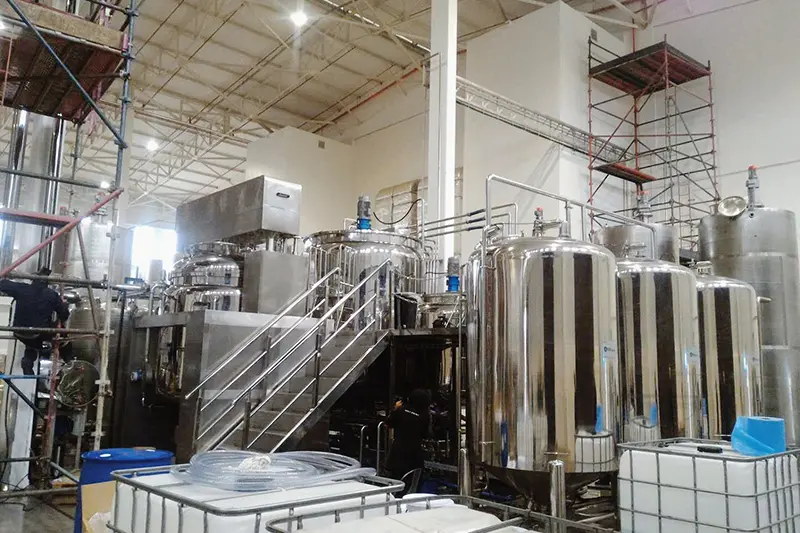
Completed $800k project for Unilever SA; executed $1.5M OEM cosmetic project for SK-II/Shiseido.
Partnered with Japanese detergent brand for liquid-washing project worth $1.0 Million.
Where advanced process automation, vacuum powder induction, and zero-emission processing meet.
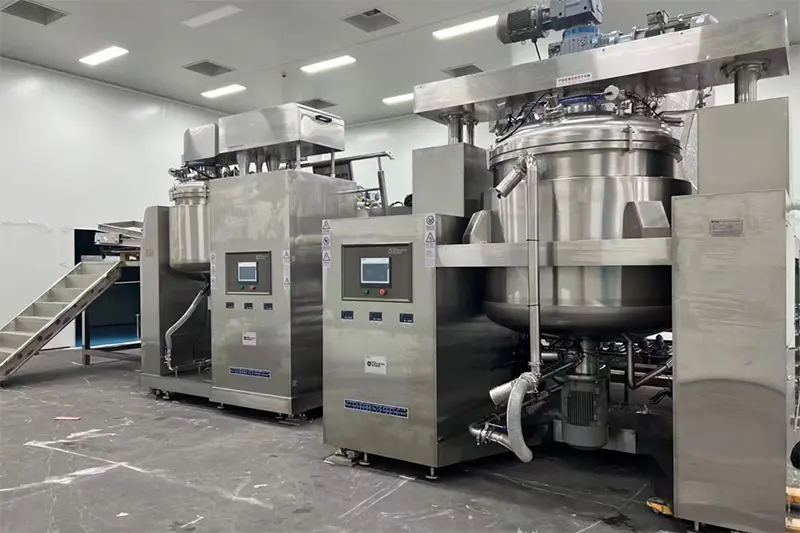
Sanitizers containing high concentrations of ethanol or isopropyl alcohol generate explosive vapors. The future of sanitizer mixing relies on strictly sealed pressure vessels with nitrogen purging systems (inerting). Spark-free variable-speed drives, explosion-proof motors, and intrinsic safety barriers for all thermal and pressure sensors are standard in our advanced configurations.
Handling dusting agents like Carbomer or Xanthan Gum presents significant process challenges. Directly pouring powder into liquid creates "fish-eyes" (clumps of unhydrated gel). Future-proof lines utilize vacuum-assisted bottom induction. High-vacuum forces suck the dry powder directly into the high-shear homogenizer loop, wetting the particles instantaneously.
Integrating sensors that monitor viscosity in real-time allows our system's control unit to adjust the agitator speed dynamically. As the sanitizer gel polymerizes, the motor draw changes; our algorithms optimize electrical efficiency, minimizing heat build-up and saving up to 30% of energy during long batch production runs.
How we customize sanitization processing setups to match specialized application environments.
Cosmetic sanitizers often feature skin-soothing oils, moisturizers, and complex botanical extracts. Standard high-shear mixers can break down these sensitive molecules. Our solutions integrate low-shear, anchor-type agitators with Teflon scrapers that work in tandem with a bottom homogenizer to secure perfect distribution without foaming or raw material degradation.
Medical-grade sanitizer production demands absolute sterility. Our ASME BPE-compliant reactors are constructed with 316L Stainless Steel on all wetted surfaces, polished to mirror finishes (Ra < 0.4 microns). Seamless CIP (Clean-in-Place) and SIP (Sterilize-in-Place) nozzles allow automatic sanitization of the mixing lines without manually opening the vessels.
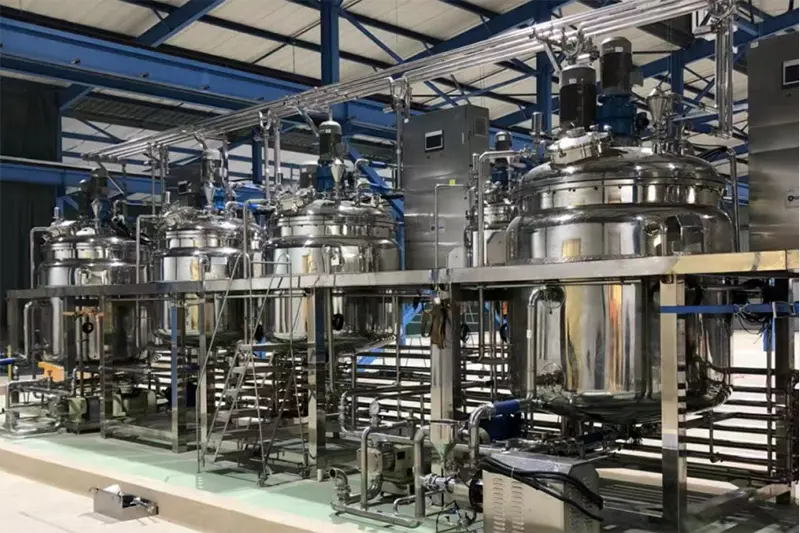
For high-volume distribution plants supplying commercial complexes and public infrastructure, throughput is the main KPI. We supply multi-tank systems incorporating raw material holding units, high-capacity inline powder induction mixers, bulk storage buffer silos, and fully automated filling and capping platforms working in synchronicity.
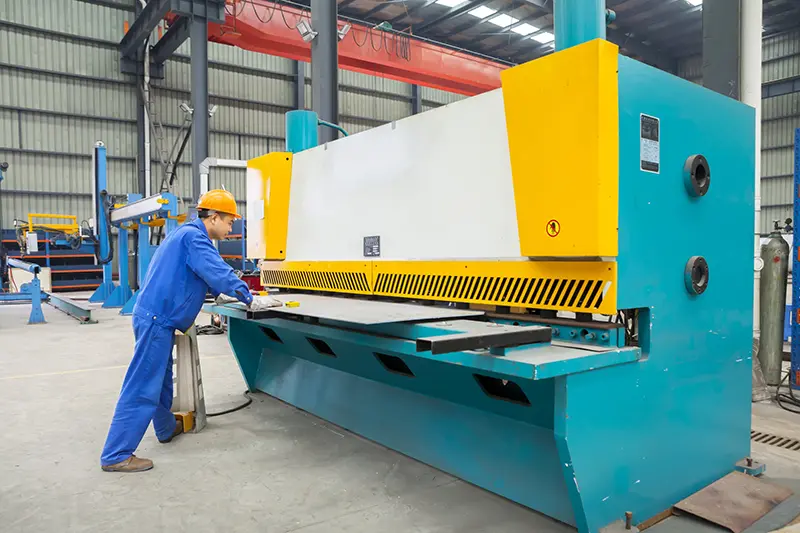
In the chemical and pharmaceutical equipment sectors, operational efficiency directly impacts capital expenditure payback periods. SINAEKATO's manufacturing headquarters in Gaoyou City represents the pinnacle of Chinese "Factory 4.0" automation principles. By utilizing integrated supply networks, automated welding robots, and computer-guided structural stress testing, we reduce standard manufacturing times by up to 25% compared to Western counterparts.
Furthermore, because we source our primary control elements (motors, valves, PLCs, seals) from globally trusted brands, you get the cost benefit of Chinese heavy machinery fabrication combined with the reliability and safety assurance of high-end Western electronic and mechanical components.
Addressing import, installation, and certification parameters for international installations.
For multinational corporations and regional cosmetic/pharmaceutical giants, purchasing a mixing vessel involves navigating complex regulatory hurdles. Depending on the installation location, the equipment must satisfy specific statutory safety codes. SINAEKATO bridges this gap by offering localized design modifications during the engineering phase, ensuring trouble-free factory integration.
Whether it is European CE certification, German safety regulations, or USA FDA-compliant food/drug contact validation, our QA/QC team constructs a fully traceable data package. This includes material mill certificates (verifying SS304 or SS316L chemical composition), welding logbooks with radiograph test results, roughness test reports (Ra profiles), and FAT (Factory Acceptance Test) certificates.
Our machine packages comply with the Machinery Directive 2006/42/EC, Low Voltage Directive 2014/35/EU, and Electromagnetic Compatibility (EMC) Directive 2014/30/EU. All components carry matching CE markings.
Wetted materials comply with FDA CFR Title 21 requirements. We implement elastomer gaskets made of FDA-approved EPDM, FKM, or PTFE. Sanitary connections employ standard Tri-Clamp fittings.
We supply complete installation manuals, logic control sheets, and electrical drawings. Our global network of field technicians can be dispatched for on-site commissioning, installation validation, and operator training.
Detailed technical answers to common queries raised by procurement teams and process engineers.
For wetted parts, we strictly recommend SS316L (DIN 1.4404) stainless steel. Sanitizers frequently contain corrosive halogenated compounds, acidic pH stabilizers, or oxidizing elements that can corrode lower grade metals. Non-wetted structural parts (jackets, supports) can be fabricated in SS304 to optimize costs.
We integrate explosion-proof motors (ATEX/Ex-d certified), flame-arresting ventilation ports, and spark-free dynamic ground brushes. The control panel is typically housed in a safe area, or we utilize localized Ex-proof push-button enclosures. Nitrogen blanketing systems can also be integrated to displace oxygen from the tank headspace.
Due to our optimized China Factory 4.0 layout, standard lead times for custom-engineered 1000L jacketed vacuum mixers range from 35 to 45 business days. This includes CAD verification, manufacturing, testing, polishing, and pre-shipment FAT tests.
We mechanically polish all internal surfaces to an ultra-smooth finish with a roughness value of Ra < 0.4 μm, followed by chemical electropolishing if requested. This eliminates microscopic crevices where bacteria could lodge, ensuring that your automated Clean-in-Place (CIP) cycle removes all chemical residue between different formulation runs.
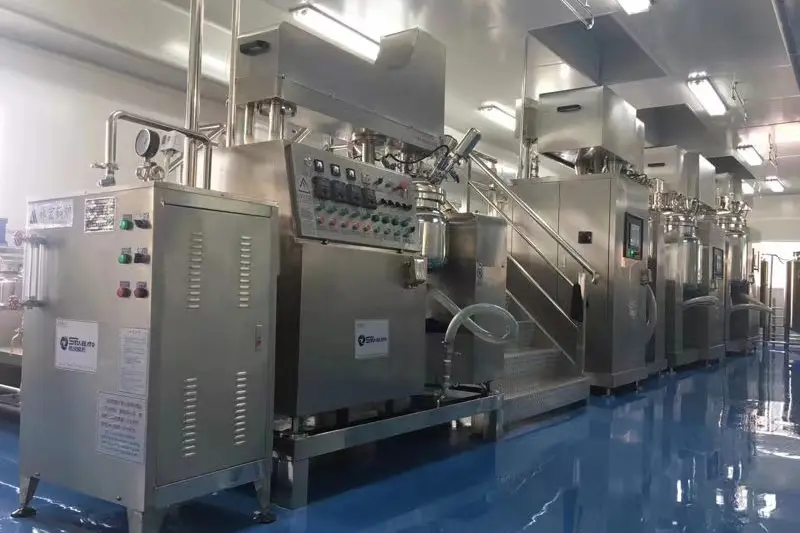
Yes, our Vacuum Emulsifying Mixers and Liquid-Washing Mixers feature dual/triple action agitators. This setup includes counter-rotating paddles with PTFE scrapers to sweep the vessel wall, and a high-shear rotor-stator homogenizer (up to 3000 RPM) to hydrate and disperse viscosity modifiers like carbomers without creating air pockets.
Yes, by utilizing Siemens or Allen-Bradley Ethernet/IP-enabled PLC modems, our engineers in China can perform remote logic updates, diagnose sensor faults, and assist local operators during initial setup or product transitions, drastically reducing service call downtime.
High-end cosmetic emulsifiers, paste mixers, and packaging equipment for advanced process optimization.
 Sina Ekato