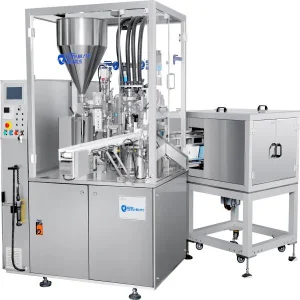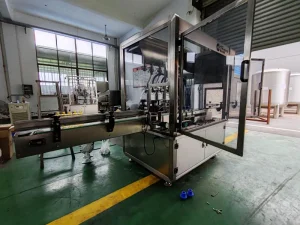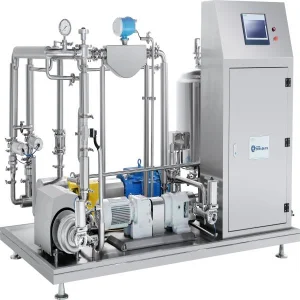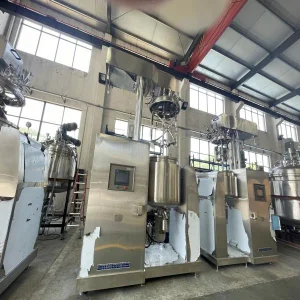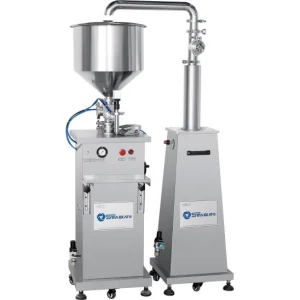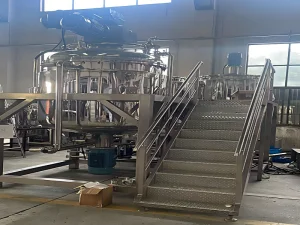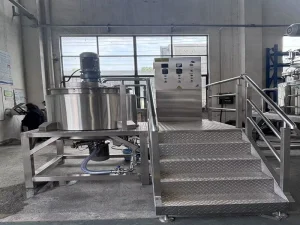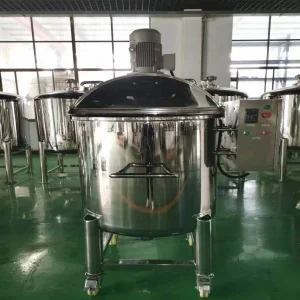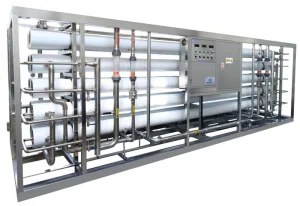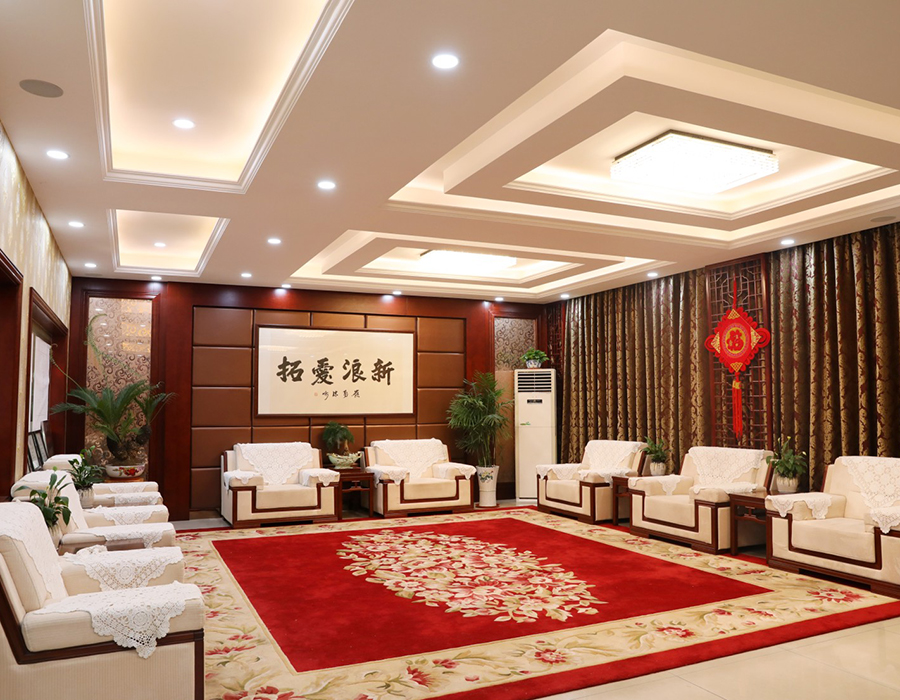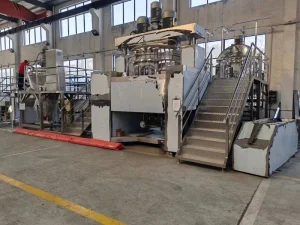
SINAEKATO, established in 1992, stands as a premier mechanical engineering manufacturer in China. With over three decades of persistent development, the brand has built a solid global reputation for designing and manufacturing advanced process systems. Our expertise spans a comprehensive machinery lineup, including high-efficiency Vacuum Emulsifying Mixers, Liquid-washing Homogenizer Mixers, Perfume Chiller Production Lines, Toothpaste Production Mixers, Fully-automatic and Semi-automatic Filling Lines, Storage Vessels, Reverse Osmosis Water Treatment Systems, and downstream labeling and packaging machinery. We offer complete, one-stop engineering solutions tailored to the strict regulatory demands of Skincare, Cosmetics, Pharmaceuticals, Food Processing, and Specialty Chemical industries.
Maintaining active commercial networks across 55 countries, SINA EKATO integrates deep domain expertise with cutting-edge production methodologies. By employing highly experienced engineers and utilizing advanced structural modeling software, we construct mixers that optimize solid-liquid-gas dispersion, reduce process cycles, and ensure long-term equipment reliability.
Scientific advancement and precision technology are the core drivers of modern processing facilities. SINAEKATO continuously prioritizes the research and development of core mixing mechanics. By incorporating advanced fluid dynamics (CFD) simulation and structural finite element analysis (FEA), we ensure our powder mixing systems and liquid homogenizers deliver optimal performance under varying viscosities and density differentials.
Our manufacturing philosophy focuses on precision tooling, strict component sourcing, and comprehensive quality assurance testing. We design systems to align with critical hygiene standards, including US FDA, EU GMP, and CE guidelines, ensuring clean-in-place (CIP) and sterilize-in-place (SIP) compliance.
Quality Assurance Benchmark: Up to 80% of our equipment's critical mechanical, electrical, and pneumatic components are sourced from globally recognized suppliers (such as Siemens, ABB, Schneider Electric, Omron, and SMC). This ensures international parts availability, low maintenance downtime, and high operational life cycles.
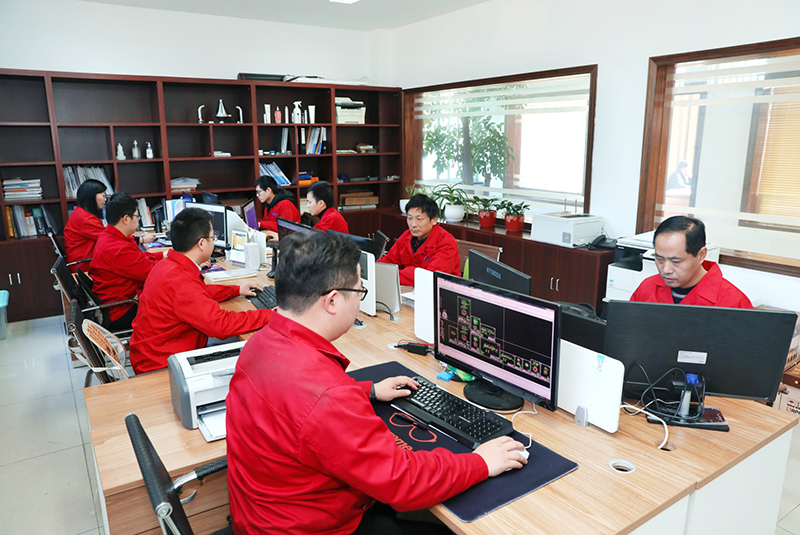
Beyond producing high-performance machinery, SINAEKATO remains committed to the vision of "LET THE WORLD KNOW MADE IN CHINA." We demonstrate that China-based manufacturing stands for quality, customization flexibility, and competitive engineering. We work closely with our partners, offering comprehensive installation guidance, factory acceptance testing (FAT), site acceptance testing (SAT), and detailed operator training programs.
Our commitment extends to local technical support networks that enable quick resolutions for parts replacements, retrofitting, and system upgrades. By integrating modern CNC machining centers, expert welders, and precise material testing laboratories (using positive material identification to verify SS304 or SS316L grades), we assure quality throughout our manufacturing lifecycle.
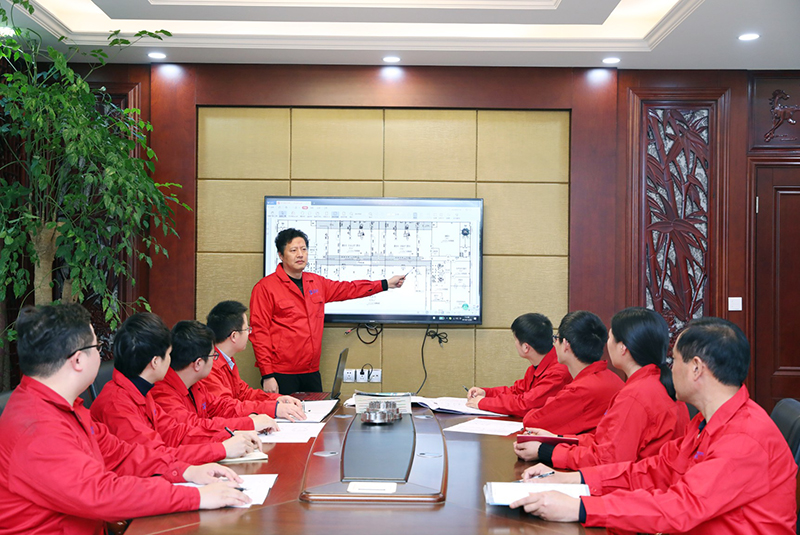
Stable, Reliable, Precise, and Intelligent—these core requirements guide every machine we build. Selecting SINAEKATO means partnering with a professional team that provides engineering, manufacturing, installation support, and after-sales service. We work closely with our clients to modernize their production floors and scale up their industrial manufacturing operations.
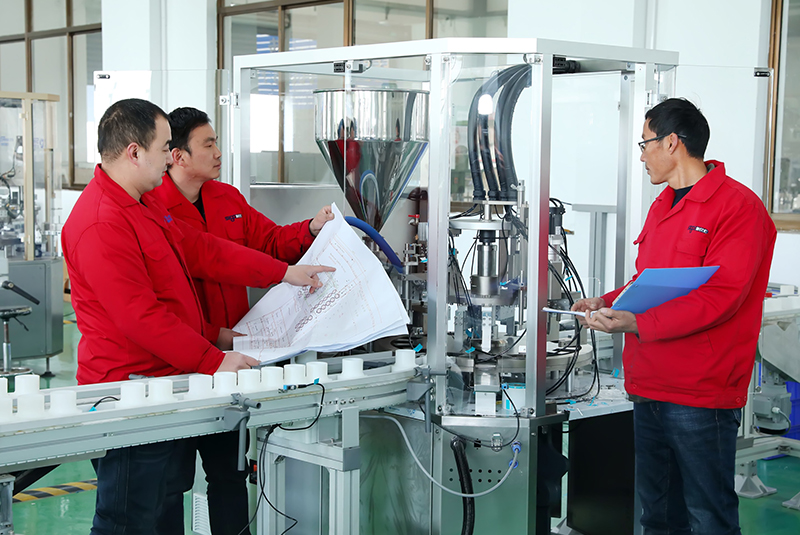
Initial design and engineering services began for industrial mixing, establishing our foundational expertise in fluid dynamics and vessel fabrication.
Guangzhou Sina Cosmetics Engineering Equipment Co., Ltd. was established to specialize in cosmetic manufacturing equipment.
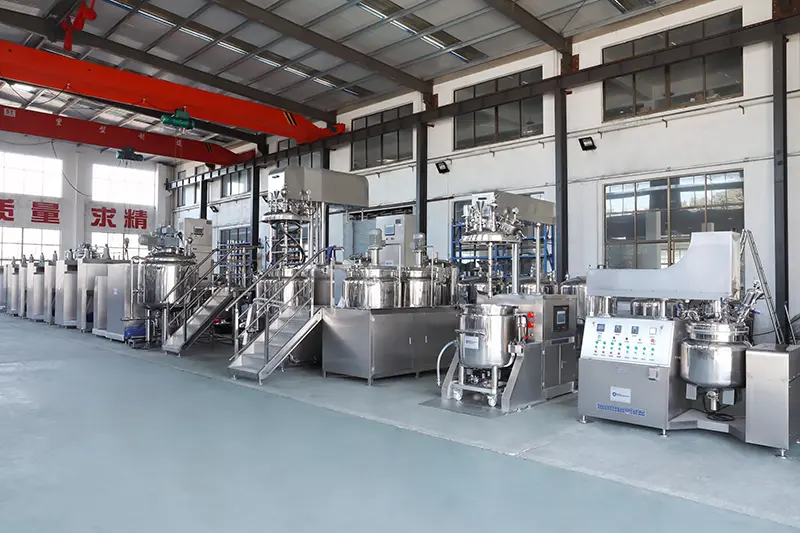
Established Hong Kong Hantao International Investment Co., Ltd. to facilitate trade expansion and raw material procurement.
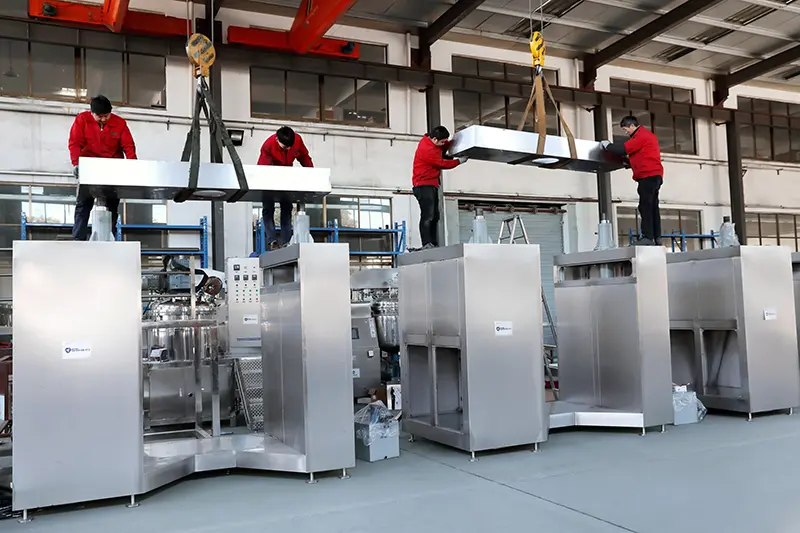
Gaoyou Sina Chemical Machinery Equipment Factory was established; Guangzhou Sina Cosmetics Engineering Equipment was renamed Guangzhou Sina Chemical Machinery Co., Ltd.
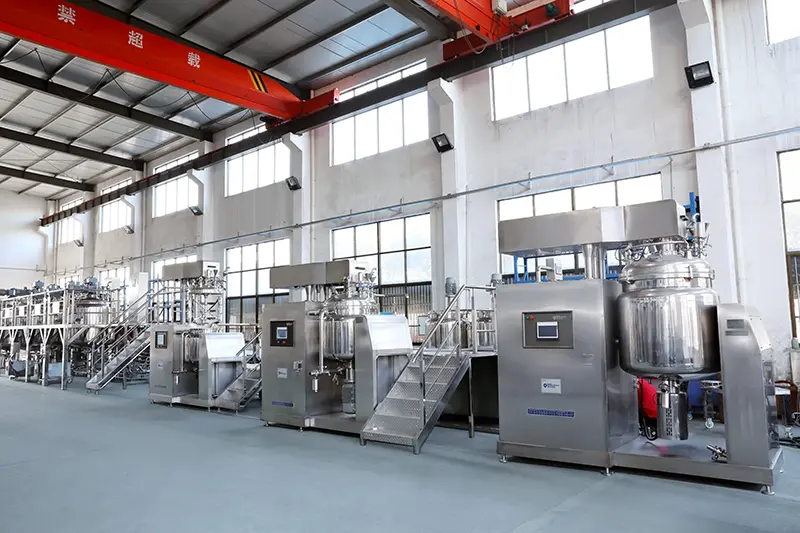
Established Gaoyou Sina Light Industry Machinery Equipment Factory to scale up fabrication of sanitary vessels.
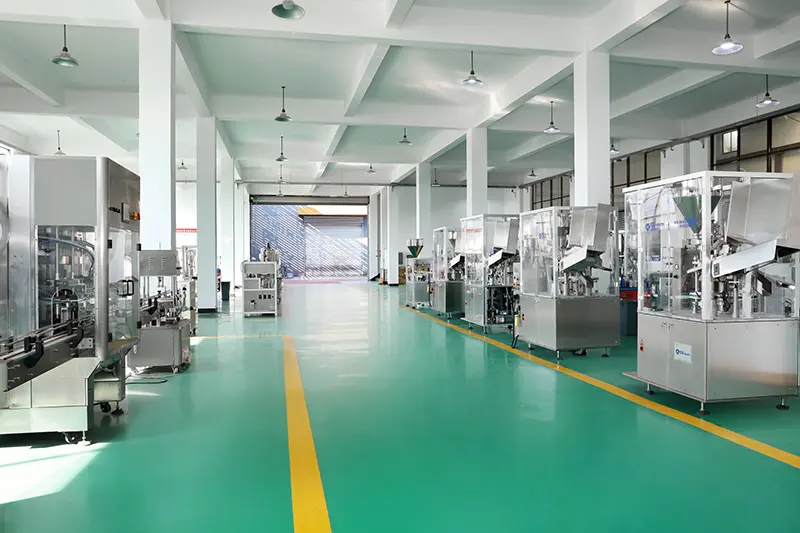
Acquired 10,000 square meters of land in Gaoyou. The new production plant, SINA EKATO CHEMICAL MACHINERY CO., LTD (GAOYOU CITY), was commissioned.
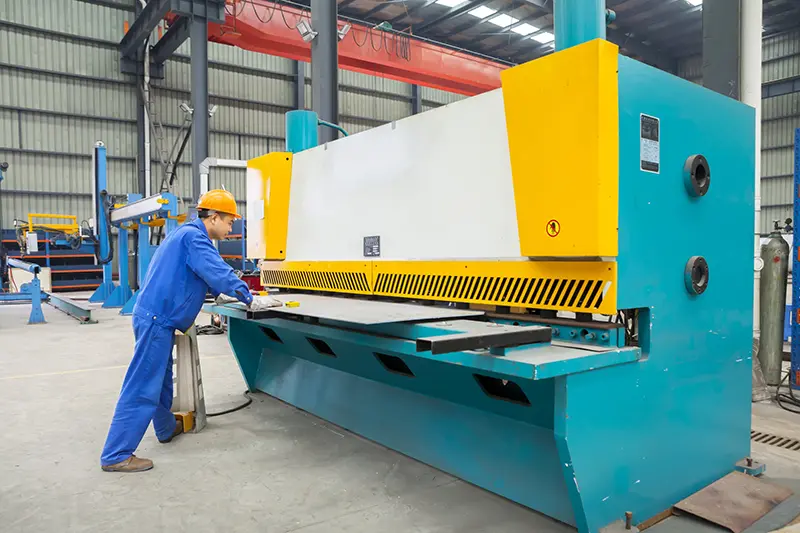
Established Yangzhou Hantao Chemical Machinery Co., Ltd. to increase total processing capacity and design capabilities.
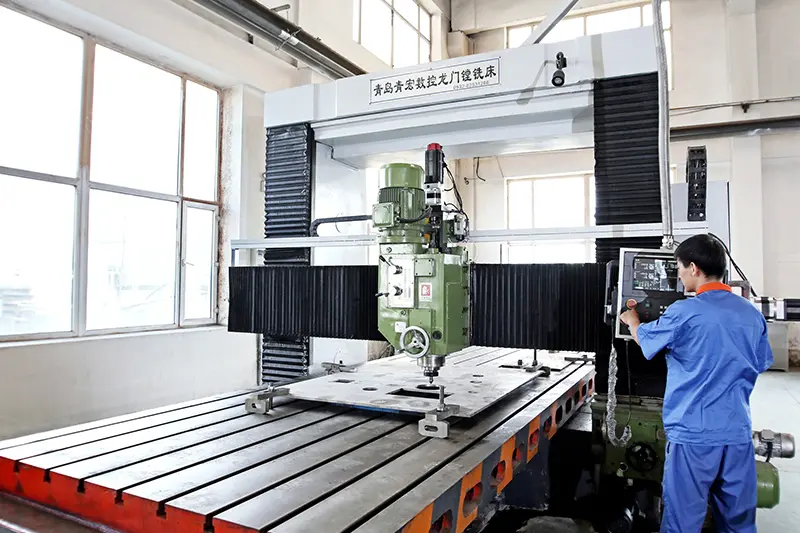
Acquired Guangzhou Jingcheng Machinery, established a large exhibition center, and expanded export sales routes into Southeast Asia and the Middle East.
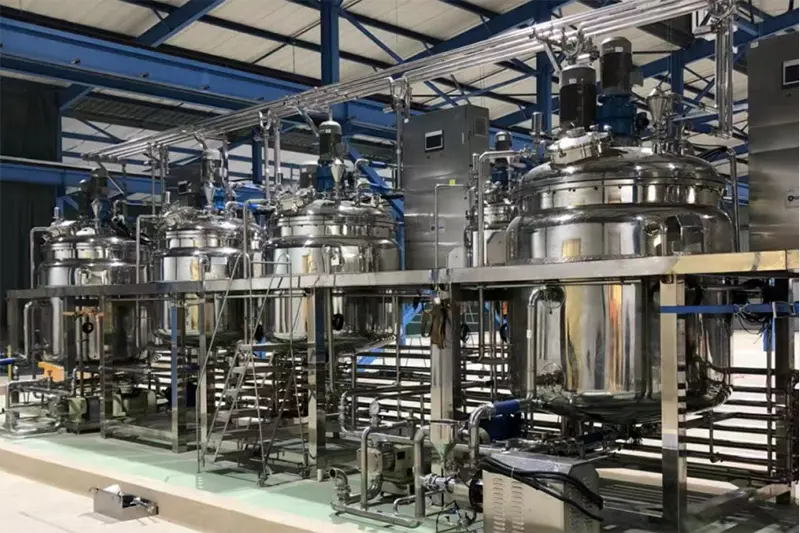
Guangzhou Sina Chemical Machinery Co., Ltd. officially renamed to Guangzhou SINAEKATO Chemical Machinery Co., Ltd.
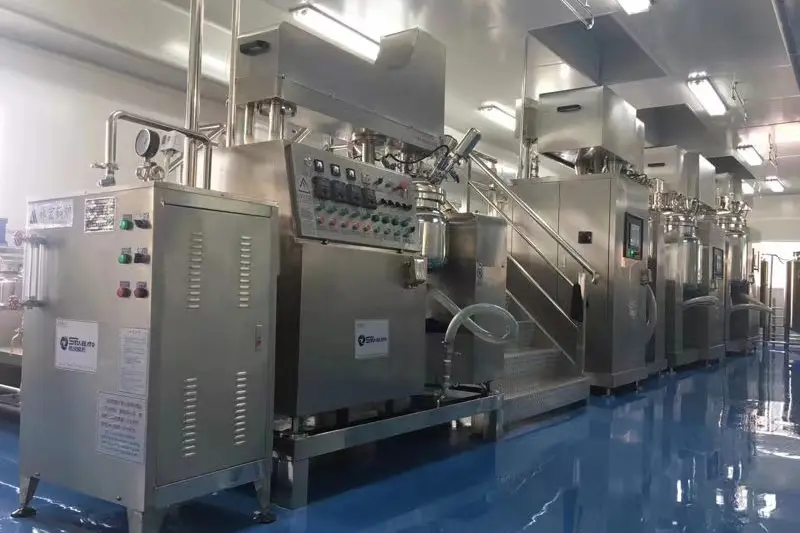
Acquisition of Guangzhou Suogao Machinery Equipment Co., Ltd. to integrate high-shear emulsification patents.
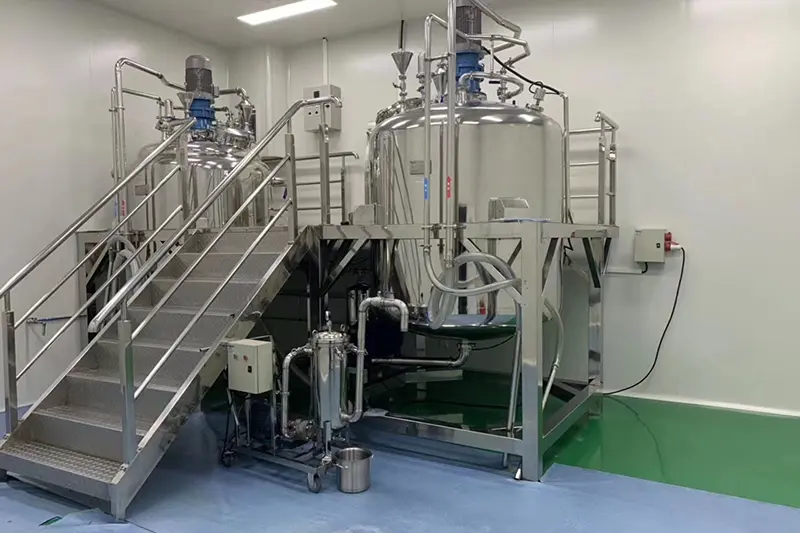
Designated SINA EKATO CHEMICAL MACHINERY CO., LTD (GAOYOU CITY) as the main production, sale, and service headquarters.
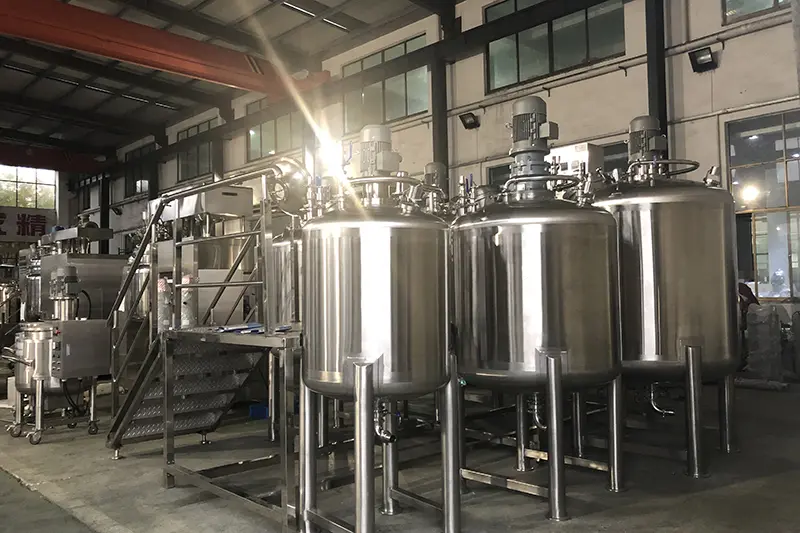
Established SINA EKATO Equipment (Jiangsu) Co., Ltd. to foster technical cooperation with overseas manufacturing partners.
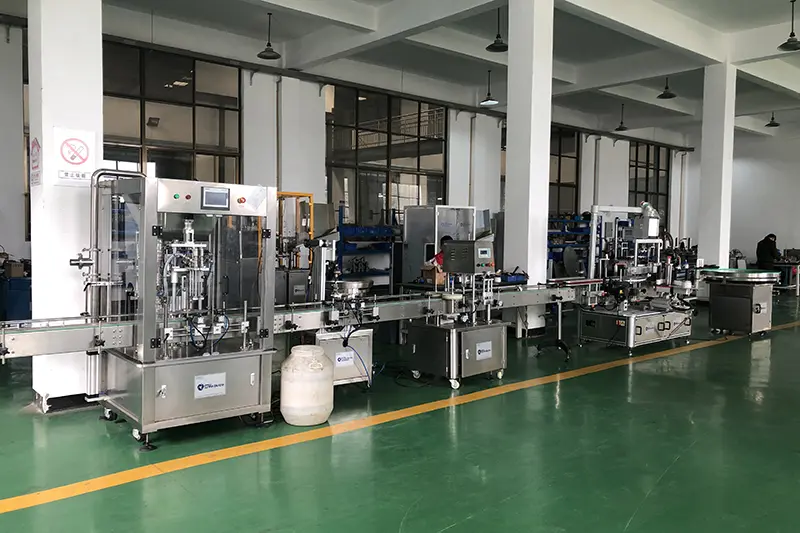
Partnered with European brand FLEMAC to establish Germany SINAEKATO Group Co., Ltd., bridging European process design with Chinese manufacturing.
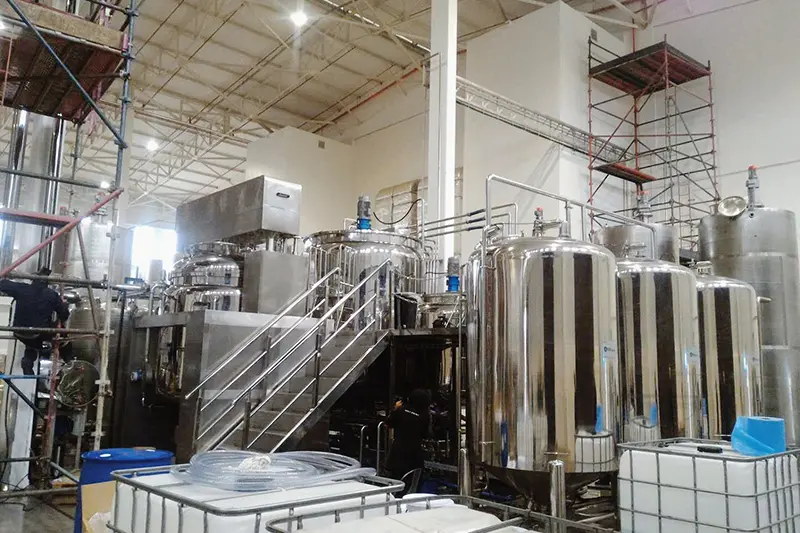
Partnered with Unilever South Africa for a cosmetic processing plant ($800,000 order) and executed a cosmetic system upgrade for a Japanese OEM ($1,500,000 project).
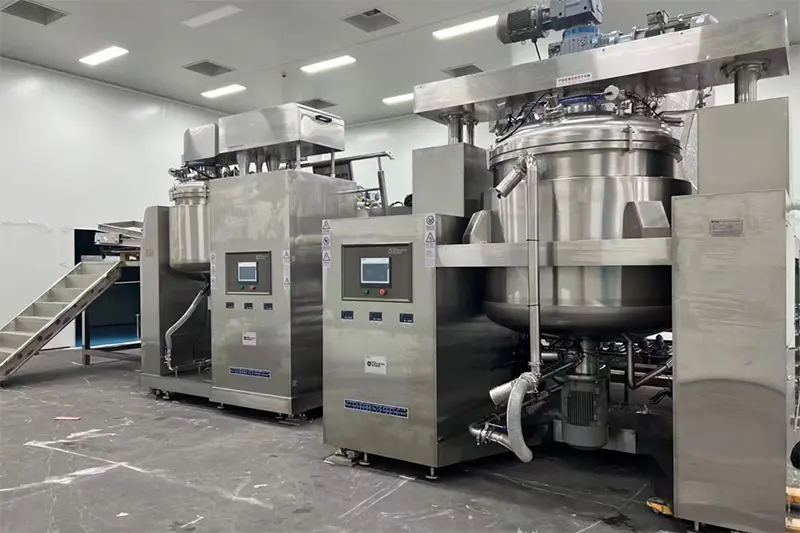
Designed and built detergent liquid-washing production lines for major consumer brands, securing orders over $1,000,000.
Industrial powder mixing is a critical unit operation in cosmetic, pharmaceutical, food, and chemical industries. Achieving a homogeneous mixture from powders with different sizes, bulk densities, shapes, and cohesive forces requires an understanding of particle dynamics. Unlike liquids, which mix by diffusion and turbulent flow, solid particles are moved mechanically to interlock and disperse.
Modern powder mixers apply three primary mechanisms of blending: convection, diffusion, and shear. Convective mixing involves the relocation of large groups of particles by mixing paddles or ribbons. Diffusion mixing occurs when particles roll or cascade over an inclined surface, distributing individually. Shear mixing uses high-speed choppers or dispersers to break up agglomerated materials, which is particularly useful for cohesive powders or when injecting liquid ingredients into a dry mix.
Design Tip: The ribbon blender is widely used for dry powder applications. It uses inner and outer helical ribbons on a single shaft to move material in opposite directions, creating a continuous flow pattern. For heat-sensitive or highly cohesive materials, paddle-style mixers or high-shear vacuum homogenizers can reduce thermal generation while maintaining mix quality.
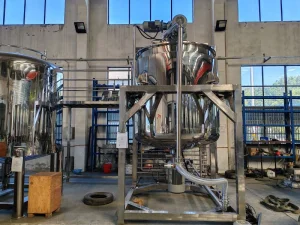
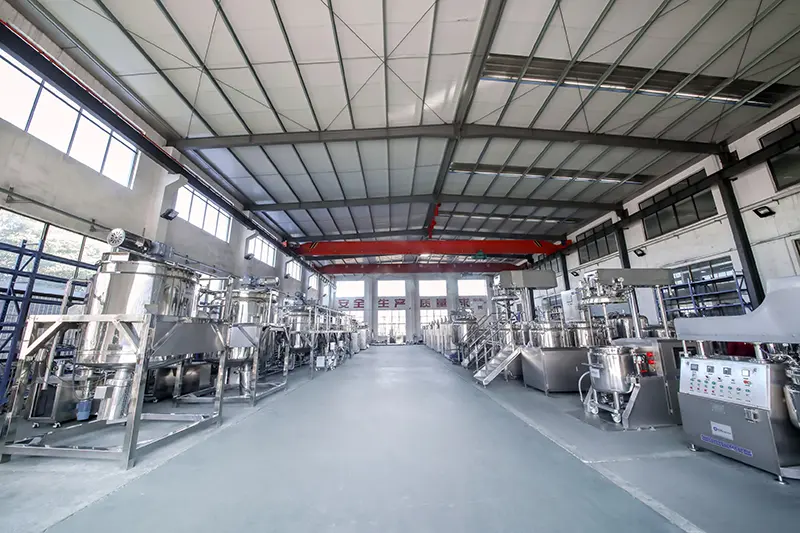
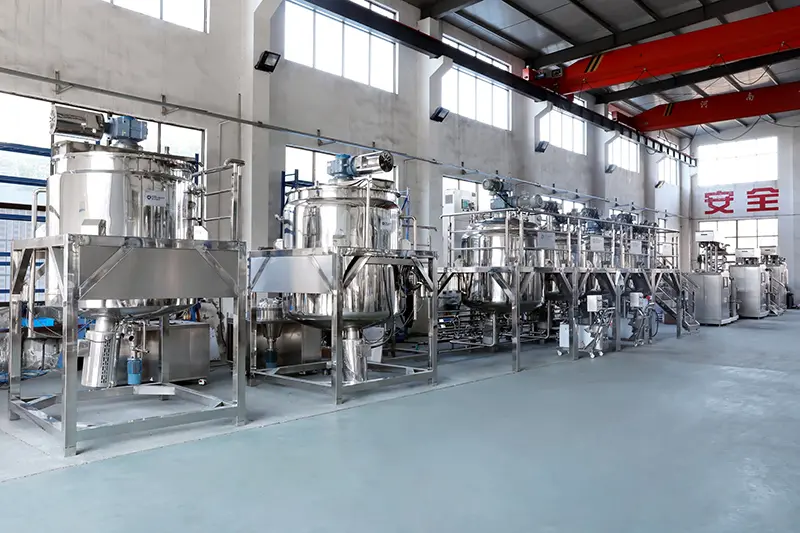
China has become a leading hub for manufacturing process machinery, particularly sanitary powder mixers and industrial emulsifying plants. SINA EKATO operates a modern production facility in Gaoyou City, showcasing the core benefits of Chinese manufacturing:
Modern powder mixing technology is evolving to meet higher standards of automation, cleanliness, and safety. Industrial processors are increasingly moving away from manual operations toward closed, automated, and containment-free setups:
Transferring powders under vacuum eliminates airborne dust, prevents worker exposure to hazardous ingredients, and reduces cross-contamination risks in GMP facilities.
Integrating Process Analytical Technology (PAT), such as Near-Infrared (NIR) sensors, allows operators to monitor real-time blending progress without interrupting the cycle.
Fully automated CIP spray balls and wash cycles ensure complete cleaning between batches, reducing changeover times and water usage.
Industrial manufacturing requires more than standalone mixers; it requires integrated systems. SINA EKATO specializes in designing and implementing complete production lines that connect raw material storage with packaging systems:
| Process Stage | Equipment Applied | Critical Control Parameter | Target Outcome |
|---|---|---|---|
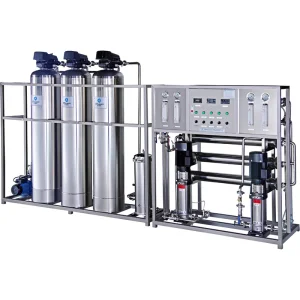
| 1. Water Purification | RO Water Treatment System | TOC, Conductivity, Microbial count | High-purity water for formulations |
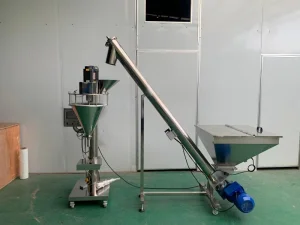
| 2. Solid Feeding | Vacuum Feeding Conveyor | Feed rate, Dust emission level | Contained, dust-free raw material delivery |
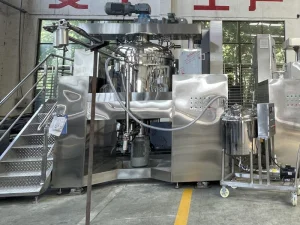
| 3. Mixing & Homogenizing | Vacuum Emulsifier / Powder Mixer | Agitator speed, vacuum level, jacket temp | Uniform emulsion or powder matrix |
| 4. Storage & Buffering | Movable Storage Tank | Blanketing pressure, temperature holding | Consistent product supply to filling line |
| 5. Primary Packaging | Piston / Rotary Filling Machine | Fill accuracy, sealing torque, drip control | Accurately filled and sealed retail units |
Purchasing capital equipment requires assessing several technical, regulatory, and logistics details. Procurement managers should review the following factors:
Ribbon blenders use outer and inner ribbons to counter-flow materials, making them well-suited for free-flowing powders. Paddle mixers use flat paddles to lift and roll ingredients, making them better for fragile materials, wet mixes, or products with differing bulk densities.
A vacuum emulsifying mixer can pull dry powders directly into the vessel's mixing head under vacuum. This draws the powders directly into the liquid phase, wetting them immediately and preventing lumps, dust buildup, or aeration.
316L stainless steel contains molybdenum, which increases its resistance to pitting and crevice corrosion from chlorides, acids, and active cosmetic formulations compared to 304 stainless steel.
Industrial mixing vessels should carry CE certification for machinery and pressure equipment compliance, along with pressure vessel certs (like ASME Section VIII or national standards) if they run under pressure or vacuum. Electrical panels should carry UL, CE, or ATEX labels depending on your region's explosion-proof requirements.
We perform in-house non-destructive testing, hydrostatic pressure tests, electrical safety checks, and wet-testing run cycles. We invite clients for Factory Acceptance Testing (FAT) in person or via live video feed, and we provide full documentation before dispatching the machinery.
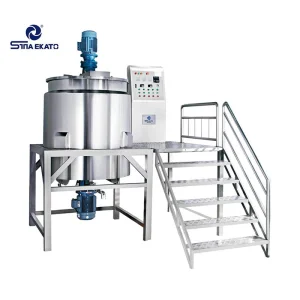
 Sina Ekato