 Sina Ekato
1. Understanding Rheological Complexity in Modern Make up Filling Technology
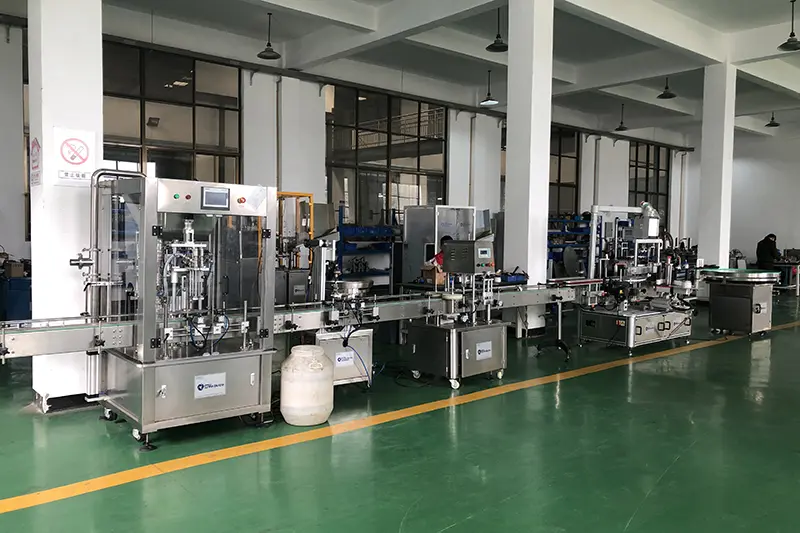
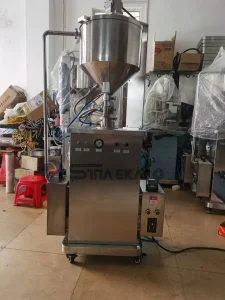
Cosmetic and makeup filling processes deal with some of the most challenging materials in modern automation. Unlike uniform liquids, makeup formulations represent a broad spectrum of viscosity, density, and physical properties. From shear-sensitive, water-in-oil emulsions like liquid foundations and CC creams, to highly viscous, thixotropic structures like mascaras, and wax-heavy hot pours like lip balms, makeup filling demands precision engineering.
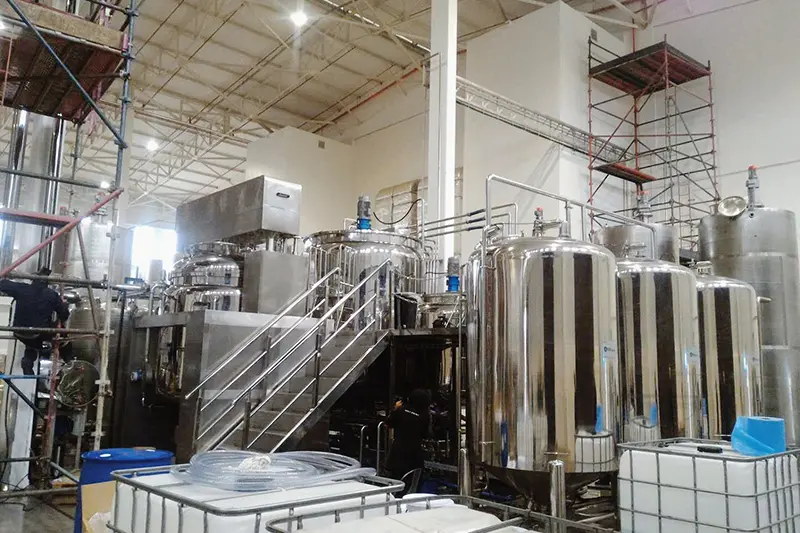
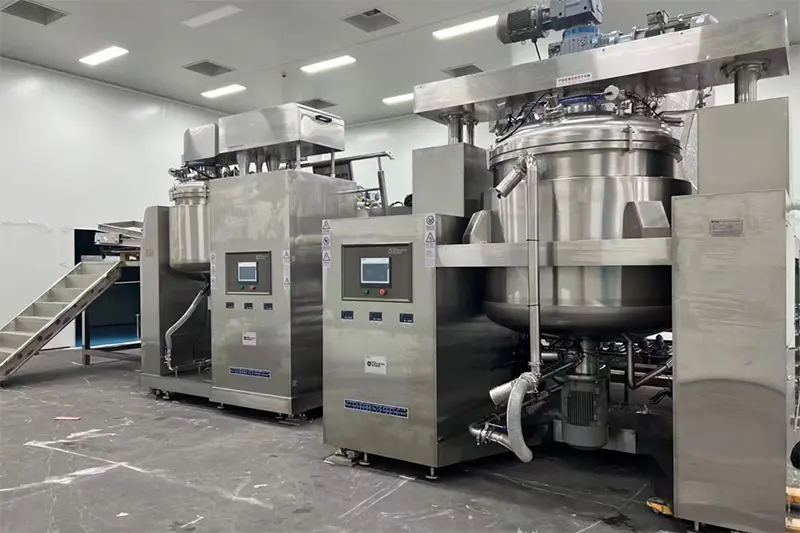
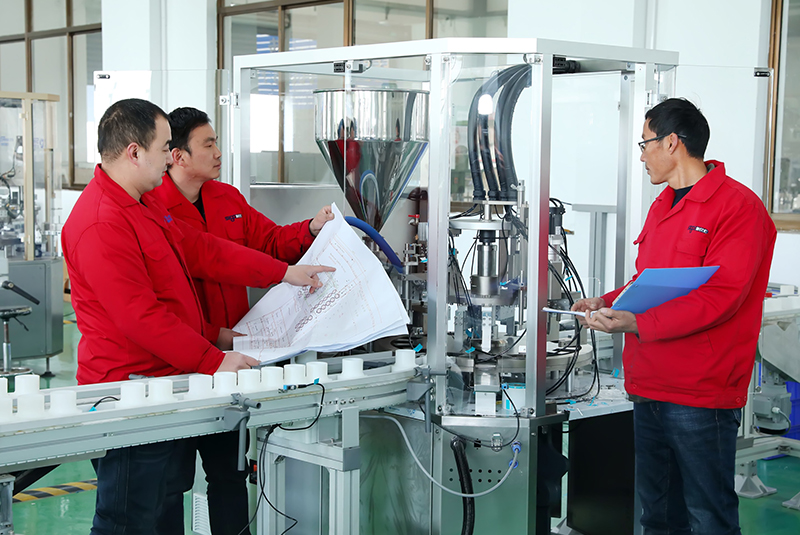
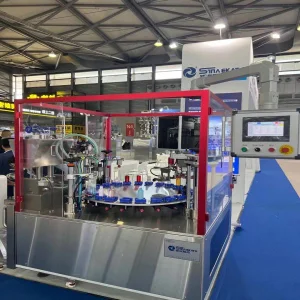
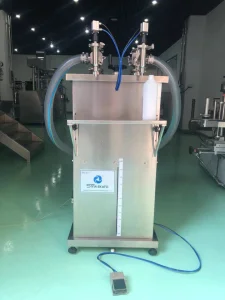
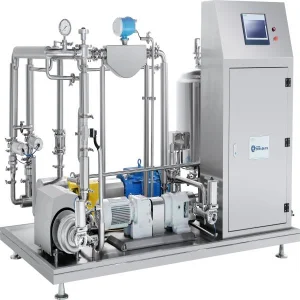
For global cosmetics brands and OEM factories, selecting the right make up filling machine manufacturer is not merely a purchasing transaction; it is a critical engineering decision that dictates product stability, aesthetic consistency, and overall equipment effectiveness (OEE). High-shear properties, abrasive pigments (such as titanium dioxide and iron oxides), and temperature-sensitive solidification zones present constant mechanical risks. Manufacturers like SINAEKATO have spent decades optimizing dosing mechanisms, integrating servo-driven displacement controls, and utilizing specialized metallurgy to mitigate wear from pigment abrasion while preventing formula separation.
"The convergence of high-speed throughput and delicate formula handling requires a system capable of micron-level dosing adjustments. Sinaekato's dynamic vacuum control and jacketed heat-circulation hoppers ensure stable viscosity throughout the entire batch filling run."